

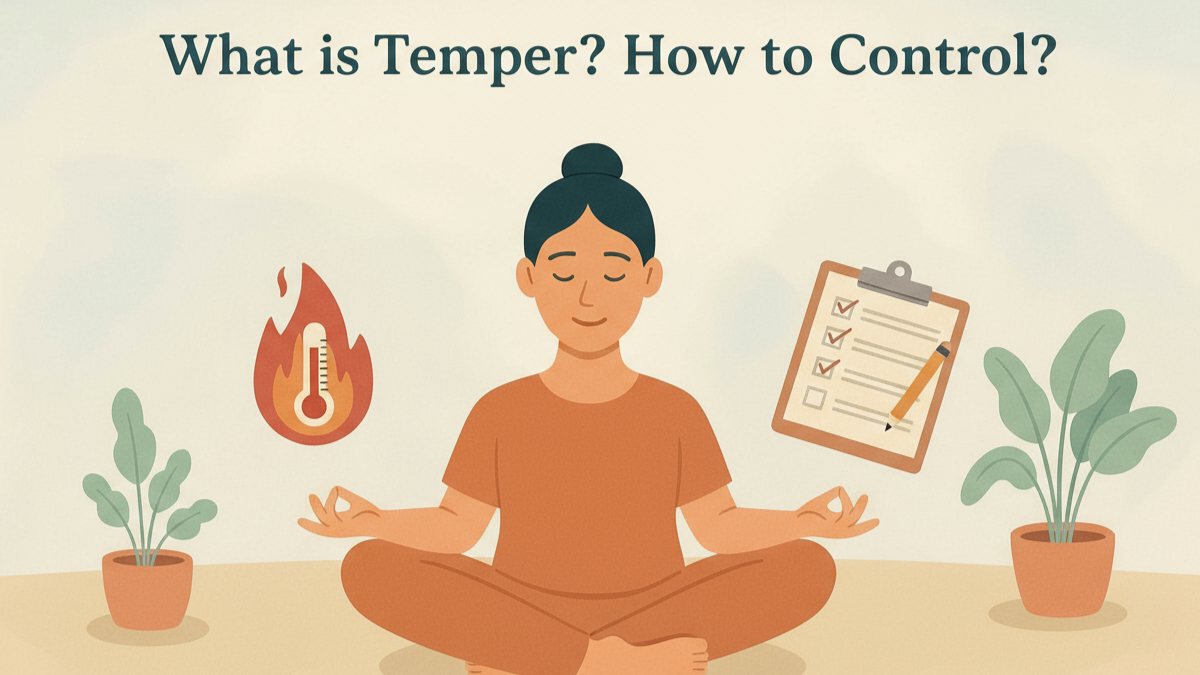
As humans, we often have moments where our frustrations and emotions take over our logical thinking. Taking care of what you say or act during those times is a difficult task. You might have heard people say, “that person has a bad temper”. What does this statement mean? To answer this question and others related to temper, let us dive deep into the definition, effects and most importantly how to control this thing called ‘temper’.
Definition of Temper
In layman terms, temper refers to a person’s emotional state, especially when it comes to irritability, or anger. In literal definitive terms, temper is not just anger itself but the threshold at which someone reacts emotionally. For example, two people face the same stressful situation in which one might shrug it off calmly while the other may explode in frustration. This difference is a way to distinguish temper.
Temper can be mild or extreme where it ranges from just being irritated or full on fights and even physical aggression at times. Even though feeling upset occasionally is normal, it becomes a problem if you have frequent outbursts or difficulty in calming down may signal a deeper issue that requires support.
Causes behind losing Temper
Some common triggers include –
- Biological factors – Brain chemistry, hormones, or underlying mental health conditions are contributing factors
- Stress – financial strain, work pressure, or personal struggles often lowers an individual’s patience
- Past Trauma – Unresolved emotional wounds can make someone more reactive
- Environment – Growing up in households where anger was common can normalize outbursts
Many causes vary from person-to-person and might also include some personal triggers but what matters is to recognize your triggers to be able to control them better.
Impact of Uncontrolled Temper
- Relationships – Excessive strong emotions like anger, temper, etc can really push your loved ones away, leading to trust issues, conflicts and lack of communication.
- Health – Problems like high blood pressure, headaches or heart disease can be triggered by constant stress and anger
- Work – Outbursts damage professionalism and create a hostile work environment.
- Self Esteem – Once you lose control and do the damage, the guilt and regret that follows are unchangeable.
Practical Tips to Control Temper
- Recognize signs – First step in understanding and recovering from anything requires self-awareness. It’s important to notice when your body is reacting and to what. Awareness helps prevent escalation.
- Pause and Breathe – Try things like meditation, yoga, or simple breathing exercises can help calm the nervous system and build emotional resilience.
- Reframe Thoughts – Instead of thinking negative thoughts like ‘this is unbearable’, try saying things like ‘this is frustrating, but i can handle it’. Shifting self-talk reduces anger.
- Communicate – It’s important to express how you feel in a calm tone and without accusations. Using ‘i feel’ statements avoids blame and encourages healthier dialogue.
- Find support – There are days when temper feels uncontrollable and doing things on your own doesn’t work that well, those are the days when therapy helps in uncovering triggers, build coping mechanisms and improve emotional regulation.
Role of Ventoutt
At Ventoutt, we know that temper is not just about “getting angry.” It’s a deeper emotional response that deserves understanding, compassion, and lots of support.
Our online therapy platforms in USA connect you with trained professionals who specialize in anger management, stress relief, and emotional wellness. Whether you are a young adult figuring out relationships or someone who has struggled with anger for years, we’re here to support you.
Final Words
In conclusion, unlike anger, temper is actually the way we handle irritation, frustration, and anger in our daily lives. Like many other strong emotions, it is important to remember that temper doesn’t define you but how you manage it does shape your relationships, health, and happiness.
With awareness, practice, and professional support like online counseling, controlling temper is possible. You do not have to let temper control your life. If and when you are ready to take the first step, Ventoutt’s affordable therapy online is here to guide you toward a calmer, healthier lifestyle.
Frequently Asked Questions (FAQs)
Having a temper mostly means reacting in all manners to frustration. The definition means an immediate emotional response from an individual that sometimes can be angry.
No, temper has a wider concept than anger. While anger is one emotion, what temper denotes also includes irritability, frustration, and mood swings.
Instances of behaviors that indicate the temper of an individual include frequent outbursts, irritability, and difficulty calming down. Knowing the definition of temper enables one to identify such behavior patterns.
Maintaining mindfulness, by way of therapies and practicing healthy coping techniques, can really serve one in anger management. Today, online therapy provided through platforms such as Ventoutt opens the door for a helper that tutors you through proper anger management that will stay with you until the end.
They could have stress, unresolved trauma, or maybe mental disorders. Online therapy platforms in the USA like Ventoutt can provide needed support to identify triggers and learn healthier responses.
