

How Ventoutt Vets Therapists and Mental Wellness Coaches
When it comes to emotional support, trust is not optional. Users deserve to know who they are speaking with, what kind of support they are receiving, what qualifications the professional holds, and whether that person is suitable for the role they are performing.
That is why Ventoutt follows separate screening and verification processes for licensed therapists and mental wellness coaches.
Therapists and coaches do not provide the same service. Licensed therapists provide clinical care, assessment, diagnosis-related support, treatment-focused guidance, and deeper mental health care. Mental wellness coaches provide structured, future-focused support for everyday emotional, relationship, career, personal and life challenges.
Ventoutt evaluates each professional according to the responsibilities and boundaries of their role.
Then read the scope and process of breakup coaching.
First 50 coaching texts free for eligible new users


for young adults by young adults
Therapists and Mental Wellness Coaches Are Different
Ventoutt clearly separates licensed therapy from mental wellness coaching.
Licensed Therapists
Licensed therapists provide clinical mental health services. Depending on their license, location, training, and scope of practice, they may provide:
- Clinical assessment
- Diagnosis-related support
- Treatment planning
- Therapy for anxiety, depression, trauma, or other mental health concerns
- Support for severe, persistent, or complex emotional concerns
- Ongoing clinical care
Therapy must be provided in accordance with the therapist's license, applicable laws, and professional responsibilities.
Mental Wellness Coaches
MA- or PhD-qualified psychology professionals providing mental wellness coaching for everyday challenges — it does not diagnose or treat.
Mental wellness coaches provide structured, future-focused support for everyday challenges. They may help users:
- Understand emotional patterns
- Build coping skills
- Gain clarity
- Improve confidence and self-esteem
- Navigate relationships
- Recover after a breakup or divorce
- Manage everyday stress
- Work through career confusion
- Improve communication
- Build habits
- Set meaningful goals
- Navigate life transitions
- Take practical next steps
Coaching does not include diagnosis, clinical treatment, prescription, psychiatric care, or emergency intervention.
How Ventoutt Verifies Therapists
Before a therapist is listed, referred, or introduced through Ventoutt, their available professional information is reviewed. The purpose of this process is to help confirm that the therapist is presenting themselves accurately and has provided relevant professional details for the clinical role they offer.
License Information
Ventoutt reviews the therapist's available license information before listing or referral. This may include:
Therapist license details may also be displayed on the professional's profile so that users can independently review the information.
License verification does not mean that Ventoutt replaces the authority of the relevant licensing board. The therapist remains responsible for maintaining an active license and complying with all professional and legal requirements.

Licensed counselors we work with
If a coach believes licensed clinical care may be more appropriate, they may recommend the user to a licensed therapist. Ventoutt does not take a commission on independently provided therapy.

Katryna Elyse Petty, LPC-A
Licensed Professional Counselor Associate
License No.: 101068
Katryna Elyse Petty is a Licensed Professional Counselor Associate (LPC-A) in Texas, USA (License No. 101068) with an active license valid through 2030, practicing under board-approved LPC supervision. She provides evidence-based therapy for anxiety, stress, and relationship challenges, working with diverse clients to deliver structured and ethical mental health support aligned with U.S. clinical standards.

Zachary Michael Sheeley, ALC
Associate Licensed Counselor
License No.: ALC05892
Zachary Michael Sheeley is an Associate Licensed Counselor in Alabama, USA (License No. ALC05892), licensed by the state board and practicing under the approved clinical supervision of John Thorington, LPC-S. With an active license valid through 2027, he provides evidence-based therapy for anxiety, stress, and personal challenges, delivering ethical and structured mental health support aligned with U.S. professional standards.
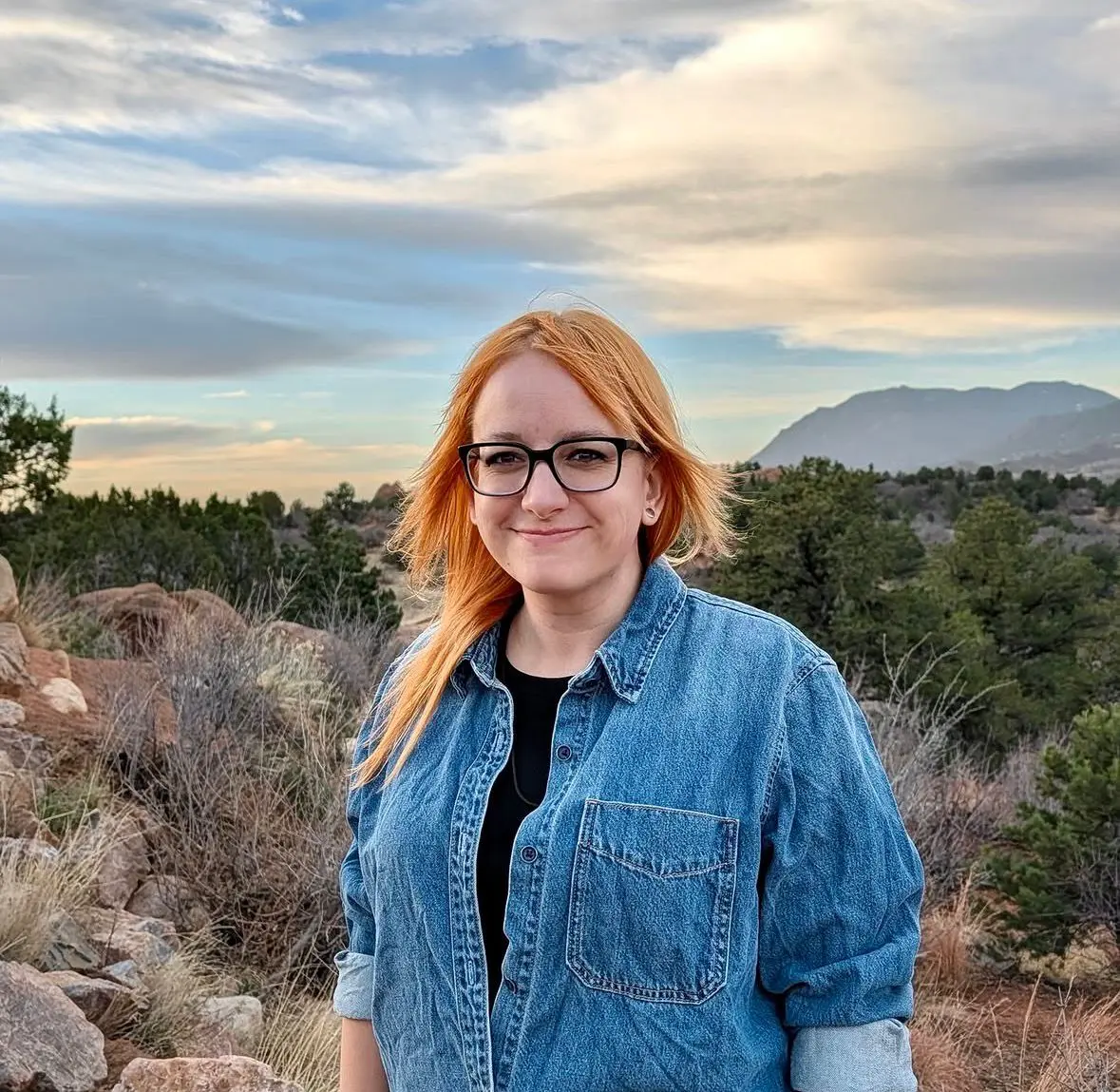
Robyn Stail, LPCC
Licensed Professional Counselor Candidate
License No.: LPCC.0024031
Robyn Stail is a Licensed Professional Counselor Candidate in Colorado, USA (License No. LPCC.0024031), credentialed by the Colorado Department of Regulatory Agencies – State Board of Licensed Professional Counselor Examiners. With an active license valid through 2027, she provides compassionate and evidence-based mental health support for anxiety, emotional stress, relationship challenges, and personal growth, while practicing under professional regulatory standards aligned with U.S. counseling ethics and care guidelines.
Ready to talk to a real therapist?
Get Matched →Scope of Practice
A valid license does not automatically mean that a therapist can serve every user in every location. Ventoutt expects therapists to confirm that:
- They are legally permitted to serve the user
- The user is located in a jurisdiction covered by the therapist's license
- The concern falls within their professional competence
- The service format is permitted under applicable law
- They can provide the type of care being requested
The therapist remains independently responsible for assessing whether they can legally and professionally provide care to a particular user.
Independent Professional Responsibility
Ventoutt currently acts as a connection, directory, or referral platform for licensed therapy. Therapy may be provided independently by the selected or assigned therapist. Once therapy begins, the therapist is professionally responsible for:
Ventoutt does not replace the therapist's professional judgment, licensing board, or legal obligations.
How Ventoutt Screens Mental Wellness Coaches
Ventoutt mental wellness coaches are carefully screened top MA- or PhD-qualified psychology professionals from India with at least three years of relevant experience.
However, Ventoutt does not screen coaches only on the basis of degrees. A strong academic background does not automatically mean that someone can listen well, communicate clearly, maintain boundaries, or support young adults responsibly.
Ventoutt therefore evaluates both professional qualifications and real-world coaching suitability.
For a current relationship concern, relationship coaching explains the one-to-one scope, coach qualifications and options for getting started.
Our Mental Wellness Coaches
MA- or PhD-qualified psychology professionals providing mental wellness coaching for everyday challenges — it does not diagnose or treat.

Aditi Bajpai
Mental Wellness Coach
Burnout Support for USA Clients
Qualifications: M.A. in Clinical Psychology
Specializes in: CBT, Mindfulness, ACT, SFBT, Psychodynamic; stress, burnout, overthinking, relationships, life transitions
Best for: Overthinkers, professionals facing burnout, and those seeking deeper self-understanding
Global Exposure: Experience working with clients from the USA

Anshika Jain
Mental Wellness Coach
USA Workplace Client Experience
Qualifications: PHD scholar, M.A. in Clinical Psychology; PG Diploma in Counselling & Family Therapy; Certification in Counselling and Psychotherapy; International Member, American Psychological Association (APA), Member No. C2404977850
Specializes in: Relationship, workplace stress, anxiety, self-improvement, career guidance
Best for: Young adults dealing with career confusion, stress, and relationship challenges
Global Exposure: Experience working with USA-based corporate clients

Muskan Kataria
Mental Wellness Coach
Experienced with US clients
Qualifications: M.A. in Clinical Psychology
Specializes in: Cognitive Behavioral Therapy (CBT), Solution-Focused Therapy, emotional support for teens & young adults
Best for: First-time coaching seekers and young individuals looking for guidance and clarity
Global Exposure: Has worked with clients from the USA

Sparshika Khobragade
Mental Wellness Coach
USA Stress Support Experience
Qualifications: M.Sc. in Clinical Psychology
Specializes in: CBT, mindfulness-based coaching, body image concerns, relationship issues, career transitions, stress management, and personal growth
Best for: Individuals dealing with stress, life transitions, and those seeking a supportive, structured yet empathetic coaching approach
Global Exposure: Experience working with clients from the USA
Our team consists of compassionate and skilled professionals dedicated to providing personalized support and effective solutions for your well-being.
Find Your Right Fit
Every path is valid. Choose what helps you today.
Academic Qualifications
Ventoutt coaches are required to provide evidence of a relevant MA or PhD qualification in psychology. The submitted information may include degree title, field of study, institution, year of completion, supporting qualification documents, and additional certifications or training, where relevant. Qualifications are reviewed in the context of the coaching role. Holding a psychology degree does not automatically make a person a licensed therapist in the United States. Ventoutt coaches are presented as mental wellness coaches unless they separately hold and disclose an applicable clinical license.
Relevant Experience
Ventoutt requires mental wellness coaches to have at least three years of relevant experience. Relevant experience may include work in areas such as psychology, counseling-related support, mental wellness, experience with the young adults of the USA, behavioral support, coaching, emotional support, research, education, youth support, relationship or career-related support, and other closely related fields accepted during screening. Each professional’s actual experience should be stated accurately on their profile.
English Communication
Ventoutt evaluates whether a coach can communicate clearly and naturally in fluent English. For users based in the United States, this includes the ability to understand conversational English, follow informal emotional expression, understand tone and context, ask clear follow-up questions, explain ideas without unnecessary complexity, communicate without making the user repeatedly over-explain themselves, and adapt communication to text or video formats. The goal is not simply grammatical fluency. The coach should also be able to create a conversation that feels natural, respectful, and emotionally safe.
Listening Ability
Ventoutt evaluates whether the coach can understand what a user is actually trying to communicate, including whether the coach can listen without interrupting, identify the underlying concern, ask thoughtful follow-up questions, reflect emotions accurately, avoid making assumptions too quickly, avoid jumping into advice before understanding the situation, recognize when the user mainly needs space to speak, and help the user organize unclear or overwhelming thoughts. Good coaching requires more than providing answers. It requires understanding the person before offering structure or direction.
Empathy and Emotional Maturity
Coaches may speak with users experiencing heartbreak, confusion, loneliness, stress, rejection, overthinking, low confidence, family pressure, or emotional overwhelm. Ventoutt assesses whether the coach can respond calmly and respectfully without judging the user, minimizing the concern, making the user feel dramatic, giving dismissive reassurance, becoming emotionally reactive, pushing personal beliefs, making unrealistic promises, or creating shame or dependency. A coach should be able to provide emotional understanding while maintaining professional objectivity.
Professional Boundaries
Professional boundaries are a core part of Ventoutt's coach-screening process. Ventoutt evaluates whether the coach understands the difference between supportive coaching and inappropriate dependency. Coaches are expected to maintain a professional relationship, avoid romantic, sexual, financial, or exploitative behavior, avoid pushing personal opinions or values, avoid making guarantees, avoid presenting coaching as therapy, avoid diagnosing users, avoid prescribing medication, avoid encouraging emotional dependency, avoid inappropriate off-platform contact, respect user privacy, follow platform communication rules, recognize concerns outside their role, and refer users toward appropriate clinical care when needed. A coach's warmth should never replace professional boundaries.
Understanding the Limits of Coaching
Ventoutt coaches must understand that coaching is not therapy. They should know when a conversation may involve severe or persistent symptoms, possible depression, anxiety, trauma, or another clinical condition, suicidal or self-harming thoughts, immediate safety risk, a need for diagnosis, a need for medication, a need for trauma treatment, a concern outside the coach's competence, or a situation requiring licensed or emergency support. Coaches should not attempt to manage concerns that fall outside the scope of coaching. Recommending licensed care does not mean diagnosing the user. It means recognizing that the user may need a different level of professional support.
Cultural Awareness for USA-Based Young Adults
Ventoutt primarily supports young adults in the United States. The platform therefore evaluates whether a coach can understand the social, emotional, and life-stage context of USA-based users, including awareness of dating and relationship stress, hookup culture, breakups and divorce, loneliness and social isolation, individual independence, career pressure, student life, work-life balance, family expectations, identity questions, social media pressure, anxiety about the future, personal boundaries, privacy, changing friendships, relocation, workplace communication, financial pressure, and major life transitions. Cultural awareness does not mean relying on stereotypes. Coaches are expected to understand each user as an individual and ask questions rather than assume that every young adult has the same experience.
Structured and Future-Focused Support
Ventoutt coaches are expected to provide more than generic motivation, quick advice, or surface-level positivity. A coach should be able to help users reflect on what is happening, understand recurring emotional patterns, identify triggers or unhelpful responses, build practical coping skills, explore choices, improve communication, set realistic goals, create actionable next steps, build accountability, review progress, and move forward at an appropriate pace. The purpose of coaching is not to tell users what to do. It is to help them understand their situation, consider options, and make constructive decisions.
Ability to Support Real Conversations
Ventoutt evaluates how coaches respond in realistic emotional conversations, not only how they describe themselves on paper. Depending on the internal screening process, this may involve interviews, sample responses, role-play conversations, scenario-based questions, review of communication style, boundary-related questions, assessment of coaching judgment, evaluation of escalation awareness, review of previous experience, and reference or document checks. The aim is to assess whether the coach can responsibly apply their knowledge during real user interactions.
Experience With USA-Based Users
Many Ventoutt coaches have experience supporting users in the United States or working with people from different cultural backgrounds. Where applicable, individual coach profiles may state experience supporting USA-based users, international courses or training, work with multicultural populations, relevant professional communities, areas of experience, and language proficiency. Claims about international experience, courses, or professional memberships should be verified before publication.
Additional Training and Professional Associations
Some Ventoutt coaches may have completed international psychology-related courses, workshops, certifications, or continuing education. Some may also be associated with professional psychology communities. These details should be displayed only on the individual coach’s profile when they have been verified. Professional membership does not automatically mean that the organization has licensed the coach, approved Ventoutt, accredited Ventoutt, endorsed the coach, or endorsed the service. For example, an association with the American Psychological Association or one of its divisions should be described according to the coach’s exact verified membership category. It should not be represented as an APA license or endorsement.
Ongoing Quality and Professional Accountability
Professional screening should not end after onboarding. Ventoutt continues to review professional quality through:
- User feedback
- Ratings
- Complaints
- Session-quality reviews, where permitted
- Response-time patterns
- Boundary-related reports
- Professional-profile updates
- License-status checks
- Qualification updates
- Internal quality reviews
- Corrective feedback
- Temporary suspension
- Removal from the platform
Users should have a clear way to report concerns about a therapist or coach.
Serious safety, boundary, qualification, or professional-conduct concerns should be reviewed promptly.
How Users Can Evaluate a Professional
Users should also be given enough information to make an informed choice. Before beginning support, users may review:
- Professional name
- Role
- Qualification
- Experience
- License details, where applicable
- Areas of support
- Languages
- Coaching or therapy format
- Availability
- Fees
- Professional boundaries
- User reviews, where available
Users should understand whether they are choosing a trained listener, a mental wellness coach, or a licensed therapist.
These roles should never be presented as interchangeable.
Can Users Change Their Coach or Therapist?
Users may request a coach change when the current match does not feel suitable. A mismatch may involve:
- Communication style
- Comfort level
- Professional experience
- User expectations
- Availability
- Personality
- Area of support
- Preferred session format
A request to change professionals does not automatically mean that either person acted incorrectly.
For therapy, changing therapists may also depend on license eligibility, location, professional availability, and the independent therapist's process.
What Happens When a Concern Needs Clinical Care?
If a mental wellness coach believes that a user's concern may fall outside the scope of coaching, the coach may recommend that the user explore support from a licensed therapist or another appropriate healthcare professional. This may happen when the concern involves:
- Severe emotional distress
- Persistent symptoms
- Significant difficulty functioning
- Trauma
- Possible clinical anxiety or depression
- Self-harm or suicidal thoughts
- A need for diagnosis
- A need for medication
- Immediate safety concerns
The coach does not diagnose the user. The recommendation means that a licensed clinical professional may be more appropriate.
Ventoutt may help the user explore therapy options. Ventoutt does not take a commission on independently provided therapy.
What Users Say About Ventoutt Professionals
Soo ventoutt, team asked me to give their honest feedback, soo here it is. I came in feeling emotionally exhausted from work and life because of my boss(still hate her) but now I know how to deal with that. My coach followed my journey, She remembered my triggers, checked in on past conversations, and adjusted sessions as I changed. It felt thoughtful and not rushed. Thankyou Nishi.

Emily R., USA
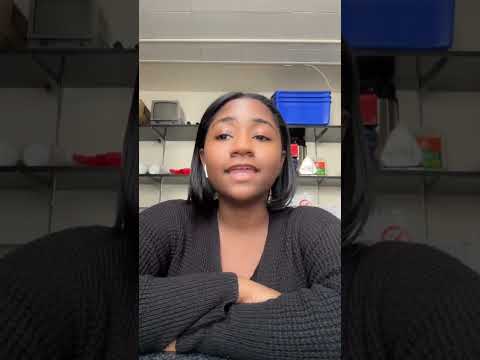
Destiny, USA
Duration: 2:08
My experience was amazing, although at first, I was unsure because my coach was based in India. I didn't know if she'd really understand my situation, but within two sessions, that hesitation completely disappeared as Anshika was calm, practical, and incredibly emotionally aware, exactly how I wanted her to be.

Sophie M., UK
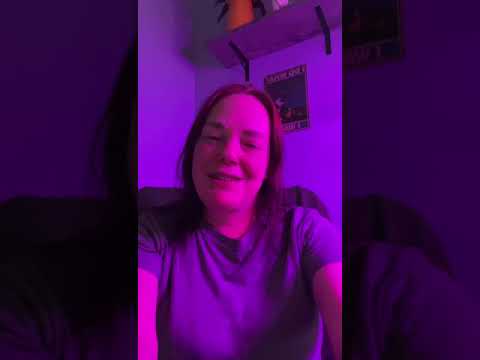
Rachel, USA
Duration: 2:15
I've tried coaching and therapy platforms before, but Ventoutt felt different( in a good way offcourse). Coaches are very professional here and it feels like they genuinely care. Paying $35 for a video session and this level of care honestly feels unreal but guyssss its true haha.

Danielle T., USA

Eva, France
Duration: 2:45
How It Works
Head over to our website
Feeling overwhelmed, curious, or unsure where to start? Begin by visiting ventoutt.com and let us meet you where you are.
Compare options to find what fits
Not sure what kind of support you need? Use our comparison table to see the difference between venting, coaching, and therapy - including pricing and what to expect.
Review your options
Take a moment to see what venting, mental health guidance (coaching), or therapy looks like - along with pricing and what to expect.
Go to your dedicated service page
Once something feels right, you'll be guided to the service page with all the details and a direct app download link.
Download the app and get started
Sign up or log in, and begin your journey - whether that's venting, building clarity and skills, or starting therapy. No pressure. Just support.
Making mental health a priority together with our partners.





Related Blogs



Frequently Asked Questions About Ventoutt's Vetting Process
How does Ventoutt vet mental wellness coaches?
Ventoutt reviews relevant psychology qualifications, professional experience, English communication, listening ability, emotional maturity, professional boundaries, cultural awareness, structured-support skills, and the coach’s understanding of coaching limitations. Ventoutt coaches are required to hold a relevant MA or PhD qualification in psychology and have at least three years of relevant experience.
How does Ventoutt verify therapists?
Ventoutt reviews available professional and license information before a therapist is listed or referred. This may include the therapist’s name, license type, license number, licensing authority, jurisdiction, status, and relevant professional details.
Why does Ventoutt screen communication and listening skills?
Academic qualifications alone do not show whether a professional can communicate clearly, understand users, ask thoughtful questions, maintain boundaries, and provide support without judgment. Ventoutt therefore evaluates practical communication and interpersonal suitability in addition to qualifications.
Does Ventoutt verify every qualification?
Ventoutt reviews the qualifications and professional details required for the role before approval.
Does Ventoutt perform background checks?
For coaches, yes.
How does Ventoutt assess cultural awareness?
Ventoutt evaluates whether coaches can understand concerns commonly experienced by young adults in the United States while avoiding stereotypes and assumptions. Coaches are expected to ask questions, respect individual differences, and understand the user’s actual context.
Can a professional be removed from Ventoutt?
Yes. A professional may be suspended or removed for concerns involving misrepresented qualifications, unsafe behavior, serious boundary violations, repeated complaints, inappropriate conduct, or failure to follow platform standards.
Can users report a therapist or coach?
Yes. Users can report concerns relating to conduct, boundaries, qualifications, safety, communication, or service quality through Ventoutt’s support or reporting system.
Does vetting guarantee that a coach or therapist will be right for me?
No. Vetting helps establish qualifications, suitability, role clarity, and professional expectations, but it cannot guarantee personal fit or a particular outcome. Users can request a different coach when the initial match does not feel suitable.
What happens if a coach believes I need therapy?
The coach may recommend or refer you to seek support from a licensed therapist or healthcare professional. This is not a diagnosis. It means the concern may fall outside the scope of coaching, and Ventoutt does not take a commission on independently provided therapy.
Reviewed for accuracy of our professional screening and vetting criteria.
Reviewer: Anshika Jain
Role: Mental wellness coach at Ventoutt
Qualification: PhD scholar, M.A. Clinical Psychology, India
Experience: 3+ years of experience across academia
Reviewed on: August 1, 2026
Last updated: August 1, 2026