


Loneliness and depression can feed each other: low mood can make you pull away from people, and loneliness can deepen low mood. When low mood is there most days and gets in the way of sleep, eating, classes or work, it’s time to see a licensed professional, not only to look for more people.
Key takeaways
- The link runs both ways. The US Surgeon General’s advisory describes pulling away from people as part of depression, and loneliness as raising the risk of depression and making it worse over time.
- Where to draw the line: low mood most days that gets in the way of sleep, eating, classes or work calls for a licensed professional.
- Getting care can start with one call or message: to campus counseling, your doctor, your workplace’s assistance program or your insurer.
Written byAnshika Jain, PhD scholar, M.A. Clinical Psychology·Published Oct 25, 2026 · Updated Oct 25, 2026·Editorial policy·How we review content
- No sales pitch — care routing only
In danger, or thinking of ending your life?
If you might act on thoughts of suicide or self-harm, or you’re not safe where you are, stop here and use these now:
If you need help now
If you are in the US and having thoughts of suicide or self-harm, or need crisis support, call or text 988 or use 988 online chat. For an immediate life-threatening emergency, call 911. Outside the US, contact your local emergency or crisis service. Coaching, venting and a therapy waitlist are not emergency services.
See suicide prevention helplines for your countryIs anyone — a partner, family member, roommate or friend — making you afraid, or controlling who you see or talk to?
| Answer | Route | ||||||||||||||||
|---|---|---|---|---|---|---|---|---|---|---|---|---|---|---|---|---|---|
| Yes | If you need help now If you are in the US and having thoughts of suicide or self-harm, or need crisis support, call or text 988 or use 988 online chat. For an immediate life-threatening emergency, call 911. Outside the US, contact your local emergency or crisis service. Coaching, venting and a therapy waitlist are not emergency services. See suicide prevention helplines for your countrySpecialist support, at any hour
Not sure which? Start with the first. If it’s a partner, relationship problem or controlling behavior? If it’s a friend, roommate or family member: the partner guide won’t fit, so start here. If you’re in danger now, call 911. If you’re a student, campus security can help you stay safe, residence life can help when the problem is where you live, and the counseling center can help you plan what to do next. If you’re shaken and want to talk it through, 988 takes calls and texts from anyone in emotional distress. | ||||||||||||||||
| Not sure | If you need help now If you are in the US and having thoughts of suicide or self-harm, or need crisis support, call or text 988 or use 988 online chat. For an immediate life-threatening emergency, call 911. Outside the US, contact your local emergency or crisis service. Coaching, venting and a therapy waitlist are not emergency services. See suicide prevention helplines for your countryIf it’s a partner, relationship problem or controlling behavior? If it’s a friend, roommate or family member: the partner guide won’t fit, so start here. If you’re in danger now, call 911. If you’re a student, campus security can help you stay safe, residence life can help when the problem is where you live, and the counseling center can help you plan what to do next. If you’re shaken and want to talk it through, 988 takes calls and texts from anyone in emotional distress. | ||||||||||||||||
| No | Continue |
How are loneliness and depression connected?
They can feed each other. The Surgeon General’s 2023 advisory, Our Epidemic of Loneliness and Isolation, describes it like this: “Depression and anxiety are often characterized by social withdrawal, which increases the risk for both social isolation and loneliness; however, social isolation and loneliness also predict increased risk for developing depression and anxiety and can worsen these conditions over time.”
It cites a review of long-term studies which found “that the odds of developing depression in adults is more than double among people who report feeling lonely often, compared to those who rarely or never feel lonely.”
That describes a link across large groups of people. It doesn’t mean loneliness will lead to depression for you, or that one causes the other in any one person. What it can mean in your own life: if you’ve been seeing people less and feeling worse, the two may be pushing on each other, and that’s worth getting help with rather than waiting out.
How do you tell a lonely stretch from low mood that’s taking over?
Low mood on its own is part of life. The National Institute of Mental Health says: “Everyone feels sad or low sometimes, but these feelings usually pass with time.” Depression is different: NIMH says it “can cause severe symptoms that affect how you feel, think, and handle daily activities, such as sleeping, eating, or working.”
| What to look at | A lonely stretch | Low mood that may need more |
|---|---|---|
| Time with people you like | It helps, even if the lift doesn’t last | It barely lifts anything, or you avoid it |
| Things you enjoy on your own | Still enjoyable | Flat, or you’ve stopped doing them |
| Sleep, eating, classes or work | Carry on more or less as usual | Slipping |
| How the future looks | You want more people in it | It’s hard to picture it getting better |
This is a description, not a test. It can’t assess you, and recognizing yourself in a row doesn’t mean you have depression. If anything in the right-hand column sounds like your recent life, most days, that’s enough to talk to a licensed professional. If the last row has turned into thoughts of not wanting to be here, go to the crisis options now.
When should you get professional help for loneliness?
When the right-hand column of the table sounds like you, when loneliness won’t shift whatever you try, or when you’d simply like to know what’s going on. You don’t have to wait until it’s severe to ask.
A licensed mental health professional can assess what’s happening and, where it helps, offer treatment such as talk therapy, which the National Institute of Mental Health describes as treatments that help people work on troubling emotions, thoughts and behaviors. Talk therapy can happen one-to-one or in a group.
Where can you get care for low mood in the US?
Start from where you are:
- Students: your campus counseling or health center is the first place to ask.
- With a job: ask HR whether there’s an employee assistance program. The federal government describes these as offering free, confidential assessments, short-term counseling and referrals.
- Through a doctor: a primary care visit can include a first mental health screening and a referral.
- With insurance: your insurer can tell you which local providers your plan covers. Under 26, a parent’s job-based plan can generally cover you until your 26th birthday (HealthCare.gov).
- No insurance, or money is tight: community health centers treat mental health needs and, as the Health Resources and Services Administration describes them, adjust their fees to income and family size.
- Not sure where to begin: NIMH points to FindTreatment.gov, SAMHSA’s online locator for mental health services.
Choosing someone? Here’s what a psychology degree shows, and what a license shows.
| If you are… | Practical first step | Why this route |
|---|---|---|
| In immediate danger, or having thoughts of suicide or self-harm | Use the crisis resources shown on this page | This is not a coaching or therapy decision. Nothing else on this page applies first. |
| A student at a US college or university | Your campus counseling center | May be free or already covered by fees, no insurance needed, and set up for exactly this age group. |
| Employed, including part-time at larger employers | Your employer's Employee Assistance Program | May offer a set number of free confidential sessions, separate from your manager, and available quickly. |
| Insured | Your plan's provider directory or telehealth benefit | Your real cost after copay can be far lower than advertised self-pay rates. Check before assuming therapy is out of reach. |
| Uninsured or underinsured | Community mental health centers and reduced-fee or sliding-scale directories | Reduced-fee therapy exists in the US. It can take more searching and more scheduling effort, and it is genuinely licensed care. |
| Unsure where to start | Your primary care provider | A GP or family doctor can assess, refer, and can be the fastest door into the system when you do not know which door to use. |
| In a state where a provider is available | Ventoutt's licensed counselors | Therapy requests join a waitlist. If the wait does not work for you, use one of the routes above instead — that is a reasonable choice, not a failure. |
Licensed counselors we work with
If a coach believes licensed clinical care may be more appropriate, they may recommend the user to a licensed therapist. Ventoutt does not take a commission on independently provided therapy.

Katryna Elyse Petty, LPC-A
Licensed Professional Counselor Associate
License No.: 101068
Katryna Elyse Petty is a Licensed Professional Counselor Associate (LPC-A) in Texas, USA (License No. 101068) with an active license valid through 2030, practicing under board-approved LPC supervision. She provides evidence-based therapy for anxiety, stress, and relationship challenges, working with diverse clients to deliver structured and ethical mental health support aligned with U.S. clinical standards.

Zachary Michael Sheeley, ALC
Associate Licensed Counselor
License No.: ALC05892
Zachary Michael Sheeley is an Associate Licensed Counselor in Alabama, USA (License No. ALC05892), licensed by the state board and practicing under the approved clinical supervision of John Thorington, LPC-S. With an active license valid through 2027, he provides evidence-based therapy for anxiety, stress, and personal challenges, delivering ethical and structured mental health support aligned with U.S. professional standards.
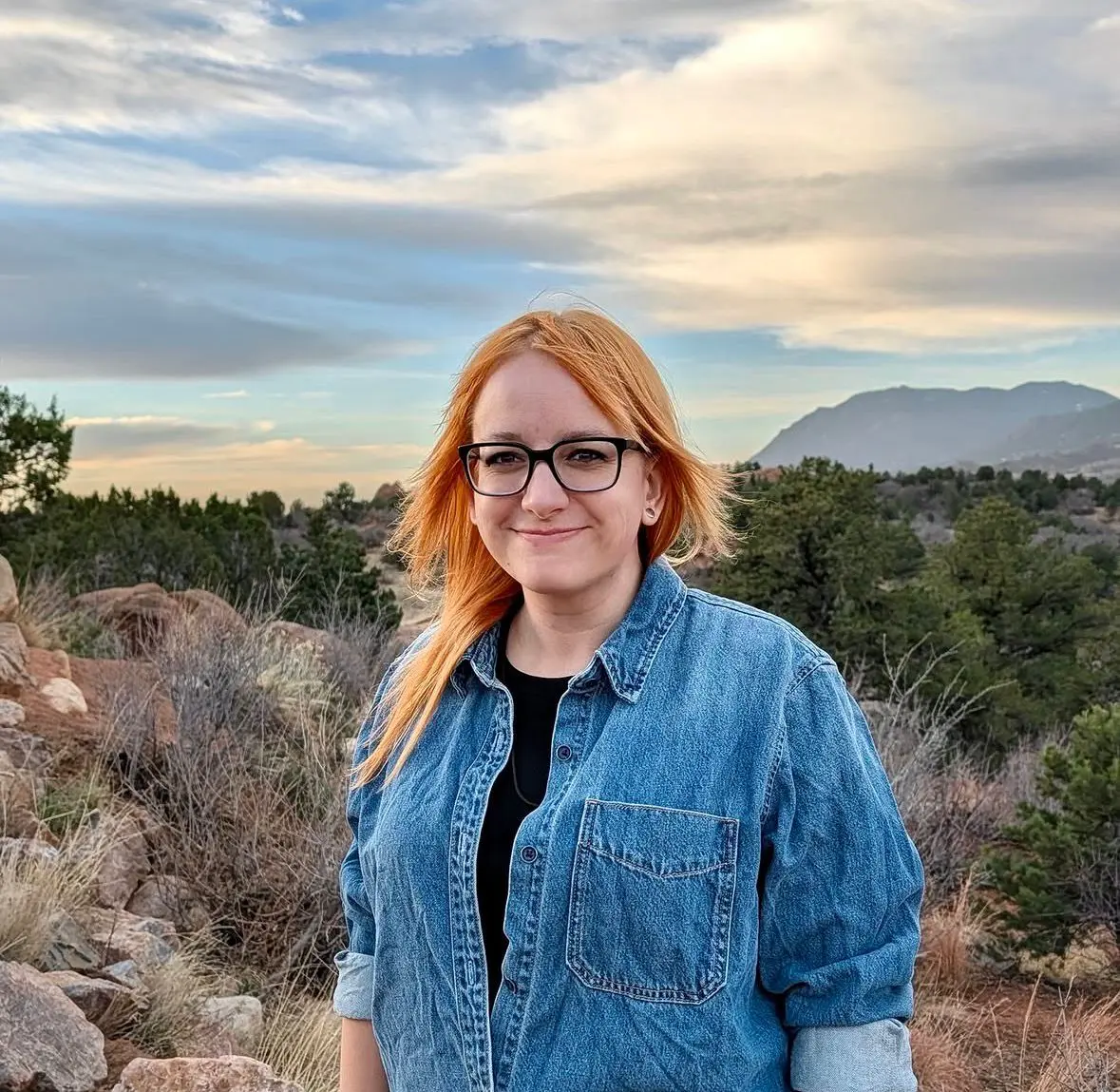
Robyn Stail, LPCC
Licensed Professional Counselor Candidate
License No.: LPCC.0024031
Robyn Stail is a Licensed Professional Counselor Candidate in Colorado, USA (License No. LPCC.0024031), credentialed by the Colorado Department of Regulatory Agencies – State Board of Licensed Professional Counselor Examiners. With an active license valid through 2027, she provides compassionate and evidence-based mental health support for anxiety, emotional stress, relationship challenges, and personal growth, while practicing under professional regulatory standards aligned with U.S. counseling ethics and care guidelines.
What can you say on the first call?
Something short is enough: “I’ve been feeling low and really isolated for a while, and it’s starting to affect my sleep and work. I’d like to talk to someone.” You don’t need to know what it is. That’s what they’re there to help you find out.
Can you work on loneliness while you’re getting care?
Yes. Treatment for low mood and small steps toward people can sit side by side, and it’s worth asking whoever you see how to fit the second into your week.
If you’re wondering where coaching fits: it’s for everyday challenges, not for low mood that’s taking over. Coaching does not diagnose or treat. If you need clinical care, we will help you find it. A coach who thinks you need licensed care can refer you to a licensed therapist. What separates support from treatment is explained here.
What if this started with a breakup, or it’s about a partner?
If your low mood began after a breakup, the guide to anxiety, depression and loneliness after a breakup is written for that. If what’s taking over is worry about a partner, read the guide to relationship anxiety.
Have more questions about loneliness and depression?
Can loneliness cause depression?
The research describes a link, not a simple cause. The Surgeon General’s advisory says loneliness predicts a higher risk of depression and can make it worse, and that depression can lead people to withdraw. Whether that’s happening for you is something a licensed professional can help you work out.
Is it depression or just loneliness?
A page can’t tell you. The table above shows the difference to look for, and if anything in its right-hand column fits, most days, an assessment is the way to find out.
Can therapy help with loneliness?
A therapist can look at the loneliness and the low mood together, and help you work out what’s keeping them going. What helps differs from person to person, so it’s worth asking at a first appointment how they’d approach it.
What if I can’t afford therapy?
Community health centers adjust their fees to income, and if you’re a student or have a job, ask about options through school or work: employee assistance programs are free, the federal government says. The routes above list where to start.
What’s one step you can take today?
One call or message: to your campus counseling center, your doctor, your workplace’s assistance program or your insurer. And if things get worse at any point, these are here:
If you need help now
If you are in the US and having thoughts of suicide or self-harm, or need crisis support, call or text 988 or use 988 online chat. For an immediate life-threatening emergency, call 911. Outside the US, contact your local emergency or crisis service. Coaching, venting and a therapy waitlist are not emergency services.
See suicide prevention helplines for your countryWhere does the information on this page come from?
- US Surgeon General, Our Epidemic of Loneliness and Isolation (2023), p. 28.
- National Institute of Mental Health, “Depression” (Last Reviewed December 2024).
- National Institute of Mental Health, “Psychotherapies” and “Help for Mental Illnesses.”
- US Office of Personnel Management, on Employee Assistance Programs; HealthCare.gov, on coverage up to 26.
- Health Resources and Services Administration, “What is a Health Center?”