

When you need validation right now, the craving is real, and it passes. For the next ten minutes: name what you want to hear, put the phone out of reach, do something with your hands, then tell yourself the fair version of what you hoped someone would say. Later, once it's calmer, notice what set it off.
Key takeaways
- The craving is a wish to settle uncertainty fast; checking or asking again brings a few minutes of relief, and then the question comes back.
- Ten minutes of distance (phone in another room, hands busy) gives the urge time to drop before you decide what to do.
- Asking once, clearly, from someone who knows is fine; it's asking again for the same answer that keeps the cycle going.
Written byAnshika Jain, PhD scholar, M.A. Clinical Psychology · Coach at Ventoutt·Published Nov 22, 2026 · Updated Nov 22, 2026·Editorial policy
What's happening when you desperately want someone to say it's okay?
You've sent the message, posted the photo, finished the exam or walked out of the interview, and now you don't know how it went. Not knowing is uncomfortable, and the quickest way to end it is for someone to tell you it's fine. So you check, refresh, re-read, or send "was that weird?" to a friend.
Each check can bring a little relief. But the relief is borrowed: a few minutes later the question is back, and the next check feels just as urgent. That's why the craving can feel endless in the moment, even though it isn't. The steps below are for interrupting that loop once, today.
What's a healthy thing to do when you're desperately craving validation?
- Name it, in one sentence. "I want someone to tell me ___." Getting it into words makes it something you have, not something that has you.
- Put the phone out of reach for ten minutes. Another room is better than face down. Set a timer if it helps. If you're waiting on something that can't wait, like a ride, a work message or news about someone's safety, keep the phone; this is for the urge, not the need.
- Give your hands something to do. Wash a few dishes, walk around the block, take a shower, fold laundry. Anything physical and a little boring.
- Ask what the answer would change. "If they said it, what would I know that I don't know now?" The honest answer may be: nothing new.
- Say the fair version to yourself. Not "I'm amazing", but what a level-headed friend would say: "I sent a reasonable message. I don't know yet how they'll take it, and I can handle either."
When the timer goes off, decide what you actually want to do. Some urges will have passed on their own. If one hasn't, when asking is the right call helps you decide whether to ask.
What can you do in the moments that set it off?
| The moment | The urge | Try instead |
|---|---|---|
| After posting something | Refresh to see who's liked it | Pick one time to look, like tomorrow morning, and close the app until then |
| After a test or an interview | Ask everyone how they think it went | Write down what you know and what you don't; results come when they come |
| Waiting for a reply | Send a second message, or check if they've read it | Pick a time to check again, and use the next ten minutes in the meantime. If it's urgent, or you need the answer to act, follow up or call |
| After sharing your work | "Was it okay?" | Ask one specific question: "Was the second section clear?" |
| After a tense conversation | Replay it and ask someone to judge it | Write what you said and what you meant, then decide if anything needs a follow-up |
If the moment is a post, there's more in how to stop seeking validation on social media. If it's a partner you keep needing to hear from, read feeling insecure and asking a partner for reassurance. If one result has turned into a verdict about you, self-doubt helps you question it.
When is it okay to ask someone for reassurance?
Asking isn't the problem. Asking can be exactly right when:
- You're missing real information, such as whether a meeting time changed or whether your friend is upset with you.
- You ask once, clearly, and you can take the answer.
- You ask someone who actually knows, not five people who weren't there.
It stops helping when you've already had the answer and want to hear it again, or when no answer would be enough. Seeking validation has a table for telling an ask from a decision you could make yourself.
What should you do once the craving has passed?
When you're calmer, take two minutes to look back:
- What set it off? A message, a result, a photo, a silence?
- When did it hit? Late at night, when you were tired or hungry, after a long day?
- What helped, even a little? Keep a short list in your phone for next time.
If the same craving shows up most days, whatever's happening, it's less about one moment and more about a pattern. Seeking validation is about that pattern and how to make room for your own view. Approval is one of seven areas in the guide to confidence and self-worth.
What if it's more than a passing urge?
If low self-worth comes with low mood most days, or it's getting in the way of sleep, eating, classes or work, read when low self-esteem needs a therapist. If someone in your life keeps putting you down, controlling you or making you afraid, read is it your self-worth, or how someone treats you?. If you're thinking about ending your life, or you're in danger now, use the crisis options below.
If you need help now
If you are in the US and having thoughts of suicide or self-harm, or need crisis support, call or text 988 or use 988 online chat. For an immediate life-threatening emergency, call 911. Outside the US, contact your local emergency or crisis service. Coaching, venting and a therapy waitlist are not emergency services.
See suicide prevention helplines for your countryWhat would you work on with a coach?
The in-between moments, and what's behind them. People bring things like:
- The minutes after sending a message, when the urge to check takes over
- Asking for reassurance once, clearly, instead of again and again
- Tests, interviews and results that take days to arrive
- What sets the craving off, and when
- A short list of things that help in the next ten minutes
...and plenty that does not fit a category. If it is taking up your week, it is worth a conversation.
Coaching does not diagnose or treat. If you need clinical care, we will help you find it.
See what confidence and self-worth coaching covers
“I've known my coach for just a few weeks but she has already helped me out with a few things i was struggling with for months. She is smart and picks up on things quickly. I still have a lot to unpack and plan, but it's been good so far. Highly recommend if you're in need of guidance.”
Amanda
USA
Emma, USA
Duration: 2:20
“My experience was amazing, although at first, I was unsure because my coach was based in India. I didn't know if she'd really understand my situation, but within two sessions, that hesitation completely disappeared as Anshika was calm, practical, and incredibly emotionally aware, exactly how I wanted her to be.”
Sophie M.
UK

Destiny, USA
Duration: 2:08
To protect user privacy, some testimonial images are illustrative and some names have been changed.
Who are the coaches you'd be working with?
Ventoutt assigns your first coach; if the fit isn't right, you can change coach from the available options. If you're wondering who's on the other side, this explains which qualifications matter in a coach.
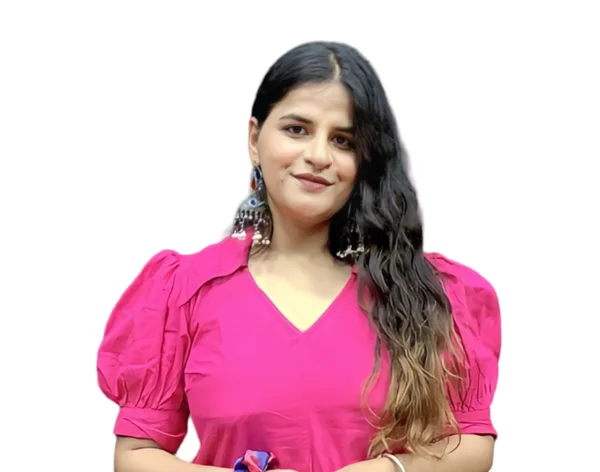
Pulkita Wadhwa
Mental Wellness Coach
USA Fellowship-Trained Support
Qualifications: Master’s in Psychology; Bachelor’s (Hons.) in Psychology; Psychoanalytic Fellowship – Washington-Baltimore, USA; Diplomas (NIMHANS & Child/Family Counselling)
Specializes in: Psychoanalytic, CBT, DBT; Stress, relationships, career, family dynamics
Best for: In-depth coaching, complex emotional patterns, and long-term personal transformation
Global Exposure: Advanced clinical training and academic exposure through her fellowship in the USA

Noreen Choudhri
Mental Wellness Coach
10+ Years Experience
Qualifications: M.Phil. in Clinical Psychology, Gold Medalist; M.Sc. in Psychology with specialization in Clinical Psychology
Specializes in: Stress management, Relationship concerns, Positive parenting, Women's well-being, Workplace stress, Self-improvement, Emotional clarity, Personal growth, Family concerns, Confidence building, Coping skills, Behavior modification, CBT-informed support, Supportive guidance, Child and adolescent concerns

Muskan Kataria
Mental Wellness Coach
Experienced with US clients
Qualifications: M.A. in Clinical Psychology
Specializes in: Cognitive Behavioral Therapy (CBT), Solution-Focused Therapy, emotional support for teens & young adults
Best for: First-time coaching seekers and young individuals looking for guidance and clarity
Global Exposure: Has worked with clients from the USA
Want a plan for the next time it hits?
Together with a coach, you can pin down what sets the craving off and build a few things that work for you in the moment. This is mental wellness coaching for everyday confidence and self-worth. Nobody hands you a diagnosis.
Ventoutt's coaches are MA/PhD psychology professionals, minimum three years' experience, based in India. How does a coach on India time fit around the moments that hit late at night here? Read how the time difference works with a coach in India.
$35 single session with no subscription. First 50 coaching texts free for eligible new users. Changing coach is free.


Questions about craving validation?
How do I stop craving validation?
In the moment, put ten minutes between the urge and the check, and tell yourself the fair version of what you hoped to hear. Over time, notice what sets it off. The five steps are above.
Why does the craving feel so urgent?
Because not knowing is uncomfortable, and reassurance ends it fastest. The relief doesn't last, so the next urge arrives just as strong. Ten minutes of distance lets it drop.
Is craving validation a sign of low self-esteem?
Not necessarily. Anyone can crave reassurance after a test or a hard conversation. If it's there most days, whatever's happening, seeking validation looks at the pattern.
What should I do instead of asking for reassurance again?
Wait ten minutes, keep your hands busy, and ask yourself what the answer would change. If you still need information, ask once, clearly.

Anshika Jain
Mental wellness coach at Ventoutt
Qualification: PhD scholar, M.A. Clinical Psychology, India
Dedicated to bringing you authentic and helpful mental health content.
View Profile