

For everyday low self-esteem, coaching or self-help is a reasonable start. See a licensed therapist when it comes with signs of depression or anxiety, like low mood most days or a fear of judgment that keeps you from daily life, or when sleep, eating, classes or work slip. Then don't wait. Start with campus counseling, your insurer or FindTreatment.gov.
Key takeaways
- Low self-esteem isn't a diagnosis by itself, but feeling worthless can be part of depression, and fear of being judged can be part of social anxiety; an assessment sorts out which.
- In a review of seven UK studies, weekly CBT-based sessions for low self-esteem were followed by large improvements in self-esteem, with real limits on what that shows.
- You don't need to know what you have before you reach out; "I've felt bad about myself for a long time and it's affecting my life" is enough to start.
Written bySakshi Thakar, M.Sc. Clinical Psychology · Coach at Ventoutt·Reviewed byAnshika Jain, PhD scholar, M.A. Clinical PsychologyandAditi Bajpai, M.A. Clinical Psychology·Published Nov 22, 2026 · Updated Nov 22, 2026·Editorial policy·How we review content
- No sales pitch — care routing only
Thinking about suicide, or in danger right now?
If you're thinking about suicide or hurting yourself, or you're in danger where you are, these come before any appointment:
If you need help now
If you are in the US and having thoughts of suicide or self-harm, or need crisis support, call or text 988 or use 988 online chat. For an immediate life-threatening emergency, call 911. Outside the US, contact your local emergency or crisis service. Coaching, venting and a therapy waitlist are not emergency services.
See suicide prevention helplines for your countryWhen should you see a therapist about low self-esteem?
Self-help and coaching are a reasonable start for the everyday side of self-worth. Talk to a licensed therapist or a doctor instead, or as well, if:
- it's getting worse, even with self-help or coaching
- feeling worthless comes with low mood, losing interest in things, or changes in sleep or appetite
- fear of being watched or judged keeps you from classes, work or seeing people
- how you feel about your body, appearance or eating takes up much of your day
- you're using alcohol or other substances to get through
- sleep, eating, classes or work have started to slip
If any of these is true, you don't have to wait until you're in crisis, or until it has lasted a certain time. And if suicide is on your mind, go straight to the crisis options; an appointment can come later.
Is low self-esteem a mental health condition?
Not on its own. Low self-esteem describes how you see yourself, and there's no diagnosis by that name. But it can travel with conditions that do have treatment:
- Depression. The National Institute of Mental Health lists feelings of guilt, worthlessness or helplessness among the signs of depression, alongside others such as persistent low mood and loss of interest.
- Social anxiety disorder. NIMH describes it as an intense, persistent fear of being watched and judged by others, one that can affect work, school and daily life.
A page can't tell which of these, if any, fits you. A health care provider or mental health professional can, and NIMH names that visit as the first step.
What kind of therapy helps with low self-esteem?
The approach with the most research behind it for low self-esteem is cognitive behavioral therapy (CBT), in a version built around the idea that a long-held negative belief about yourself ("I'm not good enough", "I'm unlikeable") shapes what you notice and how you act. Therapy works on spotting that belief, testing it against what actually happens, and building a fairer view of yourself, through weekly sessions and practice between them.
What the research shows, and doesn't. A 2018 review combined seven UK studies of CBT based on this model, with 821 participants. People who took part in weekly sessions, in groups or one to one, showed large improvements in self-esteem and in depressive symptoms by the end. One-day workshops showed smaller improvements three months later. The limits are real: few studies, mostly women, dropout as high as 49% in some, little long-term follow-up, and the authors couldn't say how different these programs are from treatment for depression.
For social anxiety, NIMH says treatment is generally talk therapy, medication or both, and describes CBT as especially useful.
Other approaches exist, and a therapist will suggest what fits after an assessment. None of this says how well therapy will work for any one person.
Is there therapy for self-doubt?
Yes, though you won't find it under that name on most therapist profiles. Self-doubt that turns every setback into a verdict on you, stops you applying, speaking or deciding, or comes with low mood most days or constant worry is something a therapist can work on, using the same kinds of approaches as above.
When you search, look for therapists who mention self-esteem, anxiety or CBT. When you reach out, describe what the doubt stops you doing ("I don't apply for things because I'm sure I'll fail"); that tells them more than the word itself.
For the everyday side of it, self-doubt has steps you can try on your own.
How do you find a therapist for low self-esteem in the US?
Start with whichever door fits your situation:
| Your situation | Where to start |
|---|---|
| You're a student | Your school's counseling or health center |
| You have a job | Ask HR whether your employer has an employee assistance program (EAP) and how to reach it. The US Office of Personnel Management describes EAP help as free and confidential: an assessment, short-term counseling and a referral |
| You have health insurance | Ring the member services line on your insurance card and ask which mental health providers are in your network |
| You're under 26 | You can generally stay on a parent's health plan until 26 (HealthCare.gov), so their insurer's list may apply to you |
| You're uninsured or money is tight | Community health centers include mental health care and charge on a sliding scale by income and family size, according to the Health Resources and Services Administration |
| You see a regular doctor | Your doctor can talk through how you've been feeling and refer you to someone |
| You don't know where to start | Search FindTreatment.gov, the federal locator for mental health and substance use services |
A psychology degree and a license to practice therapy aren't the same thing; here's how a psychology degree differs from a license to practice.
| If you are… | Practical first step | Why this route |
|---|---|---|
| In immediate danger, or having thoughts of suicide or self-harm | Use the crisis resources shown on this page | This is not a coaching or therapy decision. Nothing else on this page applies first. |
| A student at a US college or university | Your campus counseling center | May be free or already covered by fees, no insurance needed, and set up for exactly this age group. |
| Employed, including part-time at larger employers | Your employer's Employee Assistance Program | May offer a set number of free confidential sessions, separate from your manager, and available quickly. |
| Insured | Your plan's provider directory or telehealth benefit | Your real cost after copay can be far lower than advertised self-pay rates. Check before assuming therapy is out of reach. |
| Uninsured or underinsured | Community mental health centers and reduced-fee or sliding-scale directories | Reduced-fee therapy exists in the US. It can take more searching and more scheduling effort, and it is genuinely licensed care. |
| Unsure where to start | Your primary care provider | A GP or family doctor can assess, refer, and can be the fastest door into the system when you do not know which door to use. |
| In a state where a provider is available | Ventoutt's licensed counselors | Therapy requests join a waitlist. If the wait does not work for you, use one of the routes above instead — that is a reasonable choice, not a failure. |
Licensed counselors we work with
If a coach believes licensed clinical care may be more appropriate, they may recommend the user to a licensed therapist. Ventoutt does not take a commission on independently provided therapy.

Katryna Elyse Petty, LPC-A
Licensed Professional Counselor Associate
License No.: 101068
Katryna Elyse Petty is a Licensed Professional Counselor Associate (LPC-A) in Texas, USA (License No. 101068) with an active license valid through 2030, practicing under board-approved LPC supervision. She provides evidence-based therapy for anxiety, stress, and relationship challenges, working with diverse clients to deliver structured and ethical mental health support aligned with U.S. clinical standards.

Zachary Michael Sheeley, ALC
Associate Licensed Counselor
License No.: ALC05892
Zachary Michael Sheeley is an Associate Licensed Counselor in Alabama, USA (License No. ALC05892), licensed by the state board and practicing under the approved clinical supervision of John Thorington, LPC-S. With an active license valid through 2027, he provides evidence-based therapy for anxiety, stress, and personal challenges, delivering ethical and structured mental health support aligned with U.S. professional standards.
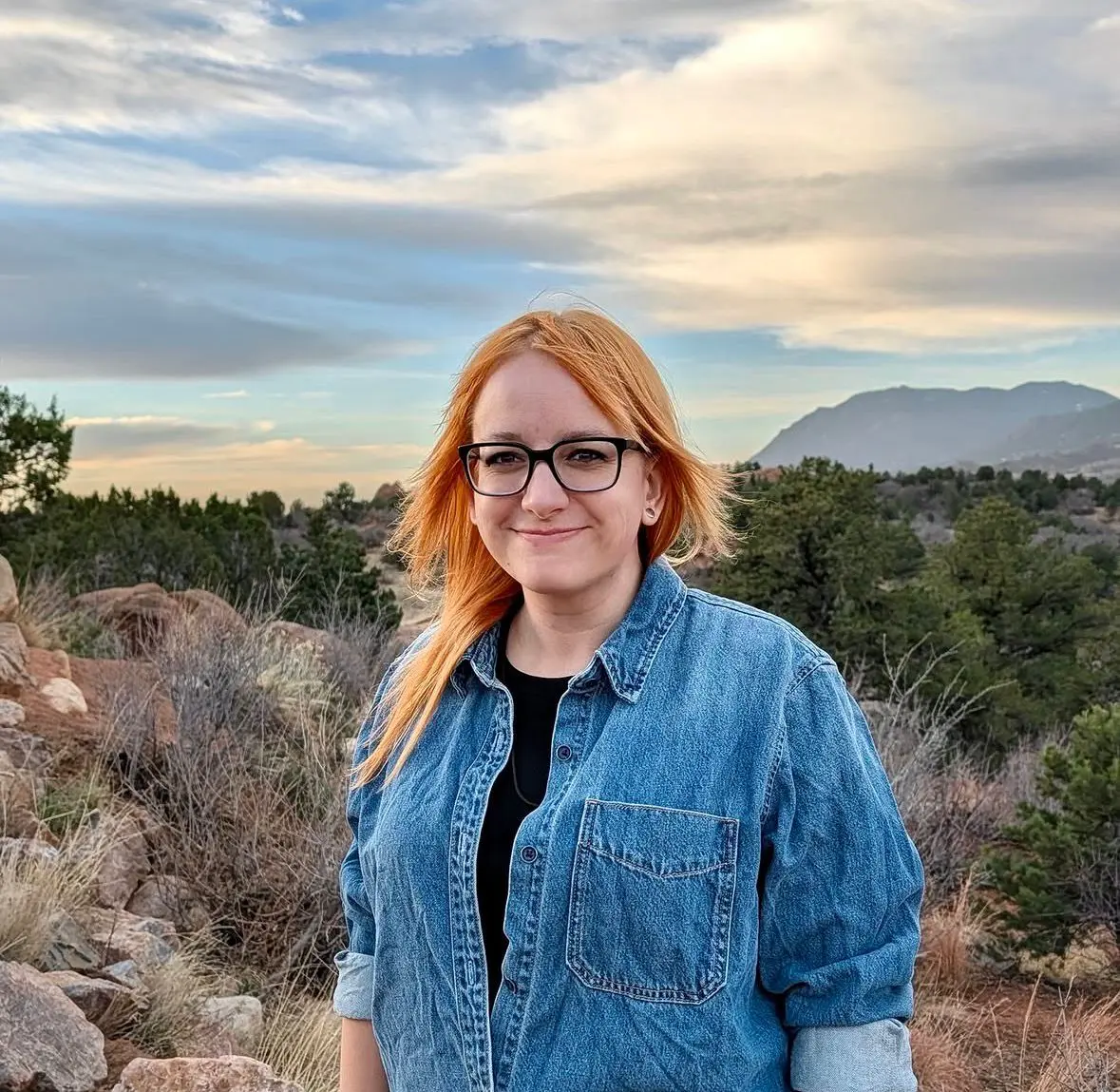
Robyn Stail, LPCC
Licensed Professional Counselor Candidate
License No.: LPCC.0024031
Robyn Stail is a Licensed Professional Counselor Candidate in Colorado, USA (License No. LPCC.0024031), credentialed by the Colorado Department of Regulatory Agencies – State Board of Licensed Professional Counselor Examiners. With an active license valid through 2027, she provides compassionate and evidence-based mental health support for anxiety, emotional stress, relationship challenges, and personal growth, while practicing under professional regulatory standards aligned with U.S. counseling ethics and care guidelines.
How to verify a therapist's license in the US
What could your first message say?
For example: "I've felt bad about myself for a long time, it's getting in the way of school and friendships, and I'd like to talk to someone." You don't need a name for it; working that out is part of the first appointment.
Can you keep working with a coach while you see a therapist?
Coaching is for the everyday side of confidence and self-worth; it isn't a substitute when low self-esteem comes with the things in the list above. Coaching does not diagnose or treat. If you need clinical care, we will help you find it. A coach who thinks you need licensed care can refer you to a licensed therapist.
In therapy already? Read how coaching and therapy can work together, and the difference between emotional support and clinical treatment.
What if it's about how someone treats you, or about being lonely?
If someone in your life keeps putting you down, controlling you or making you afraid, that's a safety question before it's a self-esteem one: read is it your self-worth, or how someone treats you?. When feeling alone is a big part of feeling low, see loneliness and low mood. And if what you need is a place to start on your own, the guide to confidence and self-worth and how to build self-worth are there.
More questions about therapy for low self-esteem?
Which type of therapy helps with low self-esteem?
CBT-based approaches have the most research for low self-esteem, with real limits on that research. A therapist will suggest what fits after an assessment.
Who can help with low self-esteem?
A licensed therapist, counselor or psychologist, or your doctor as a first stop. Students can start at their campus counseling center. Where to start depends on your situation.
Do I need a diagnosis to see a therapist?
No. You can contact a therapist without one; whether anything is going on is something the assessment works out.
Can low self-esteem be part of depression?
It can. NIMH lists feelings of worthlessness among the signs of depression. Only an assessment can tell, so mention it when you reach out.
What's one step you could take today?
Looking up one service or sending one message counts as a start. If tonight feels unsafe or suicide is on your mind, use these:
If you need help now
If you are in the US and having thoughts of suicide or self-harm, or need crisis support, call or text 988 or use 988 online chat. For an immediate life-threatening emergency, call 911. Outside the US, contact your local emergency or crisis service. Coaching, venting and a therapy waitlist are not emergency services.
See suicide prevention helplines for your countryWhich sources does this page use?
- Kolubinski, D. C., Frings, D., Nikčević, A. V., Lawrence, J. A., & Spada, M. M. (2018). A systematic review and meta-analysis of CBT interventions based on the Fennell model of low self-esteem. Psychiatry Research, 267, 296–305.
- National Institute of Mental Health, Depression Basics (NIH Publication No. 19-MH-8079).
- National Institute of Mental Health, Social Anxiety Disorder: More Than Just Shyness (NIH Publication No. 19-MH-8083).
- US Office of Personnel Management, "What is an Employee Assistance Program (EAP)?"
- HealthCare.gov, "Health Insurance Coverage for Children and Young Adults Under 26."
- Health Resources and Services Administration, "What is a Health Center?"
- FindTreatment.gov (Substance Abuse and Mental Health Services Administration).