
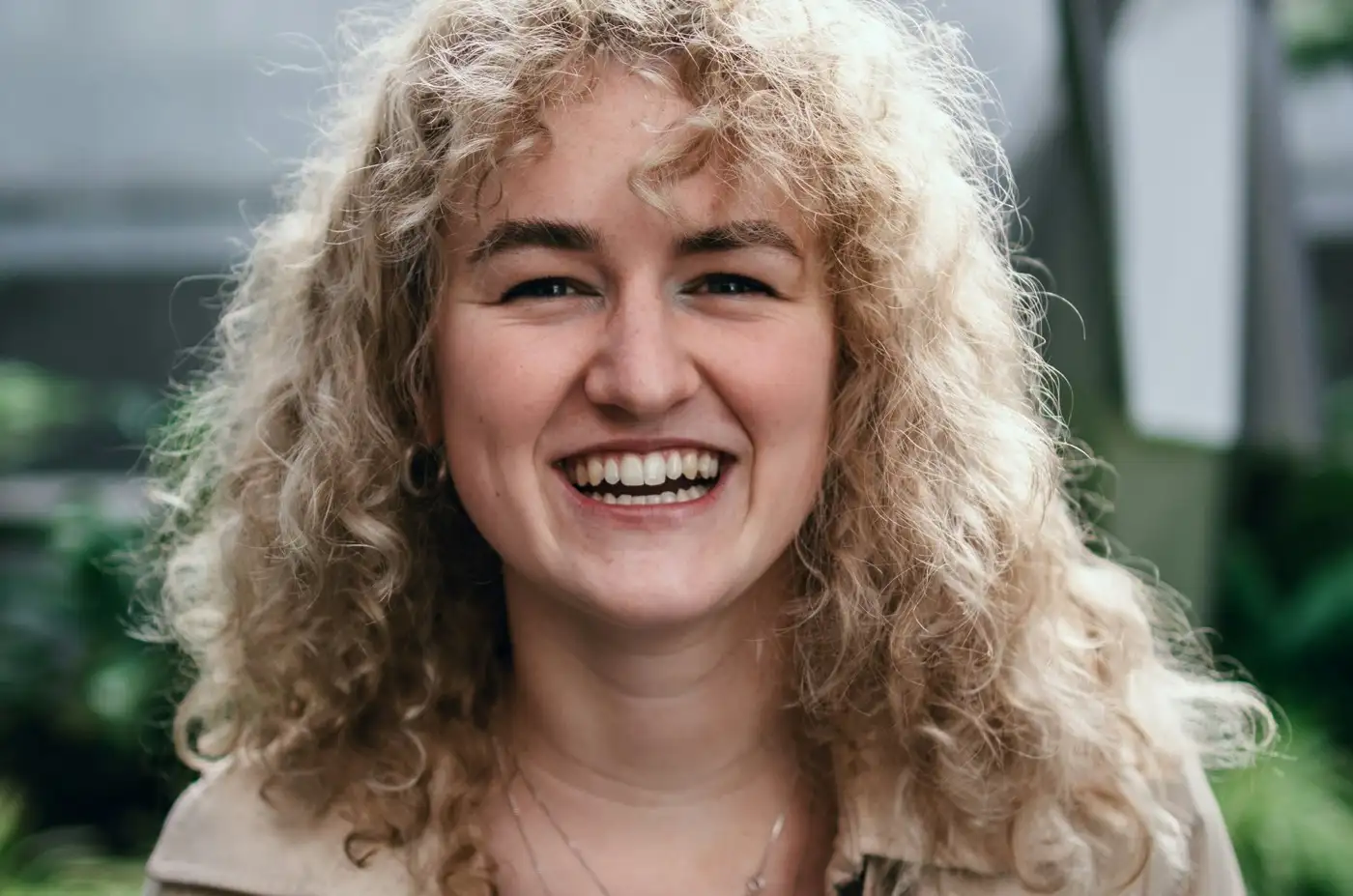
Who Are Ventoutt's Mental Wellness Coaches?
Ventoutt mental wellness coaches are carefully screened top MA- or PhD-qualified psychology professionals from India who have at least three years of relevant experience.
They provide structured, future-focused mental wellness support for young adults in the United States dealing with everyday emotional, personal, relationship, career, and life challenges.
Ventoutt coaches are not simply motivational speakers or general life coaches.
Our coaches don't just listen, they're trained to guide conversations using evidence-informed coaching techniques such as CBT-based coaching tools, NLP, Solution-Focused Coaching, Motivational Interviewing, mindfulness-based practices, and other structured approaches commonly used in mental wellness coaching for everyday issues.
Their psychology education and relevant experience help them support users in understanding emotional patterns, developing healthier coping skills, gaining clarity, improving confidence, and taking practical steps forward.
Mental wellness coaching is different from therapy.
Ventoutt coaches do not diagnose mental health conditions, prescribe medication, provide clinical treatment, or handle emergencies. Their role is to provide mental wellness coaching for everyday issues to users who need more than casual venting but may not require licensed therapy.
First 50 coaching texts free for eligible new users


for young adults by young adults
What Is a Ventoutt Mental Wellness Coach?
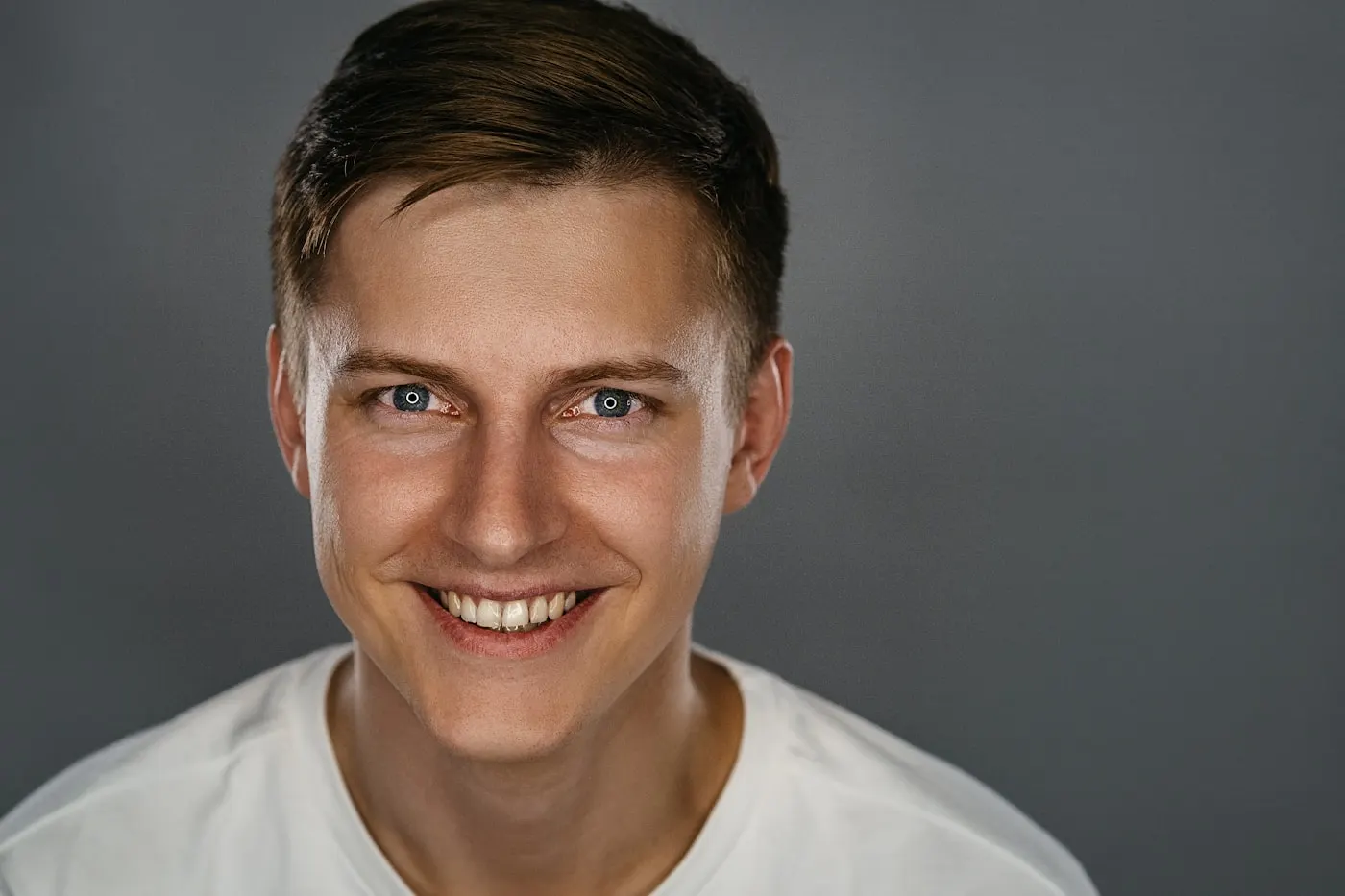
A Ventoutt mental wellness coach is a top MA or PhD psychology-qualified professional who helps users work through everyday emotional and life challenges using structured conversations, reflection, coping strategies, and practical next steps.
A coach may help a user:
- Understand recurring emotional, behavioral, or relationship patterns
- Identify unhelpful thoughts, habits, and factors that may be keeping them stuck
- Manage stress, overthinking, and everyday emotional overwhelm
- Navigate breakups, divorce, loneliness, family challenges, and major life transitions
- Build emotional awareness, self-reflection, and healthier coping skills
- Gain clarity around relationships, career choices, personal decisions, values, and priorities
- Improve confidence, self-esteem, self-compassion, and belief in their abilities
- Communicate more effectively and handle difficult or uncomfortable conversations
- Set and maintain healthier personal, professional, and relationship boundaries
- Improve decision-making, problem-solving, and the ability to respond calmly to challenges
- Build healthier habits, routines, consistency, and a better work-life balance
- Overcome procrastination and take practical steps toward personal or professional goals
- Set meaningful goals, create realistic action plans, and stay accountable
- Strengthen resilience and confidence in managing future challenges independently
- Feel heard, emotionally supported, validated where appropriate, and encouraged without judgment
The coach's role is not only to listen. It is also to help the user reflect, identify patterns, explore possible changes, and take practical steps toward their goals.
If the relationship has ended, see what breakup coaching can and cannot help with.
If the concern is about a current partner, the guide to relationship issues can help you find the relevant topic before choosing support.
What Qualifications Do Ventoutt Coaches Have?
Ventoutt mental wellness coaches are required to hold a relevant MA or PhD qualification in psychology.
They must also have at least three years of relevant experience in psychology, counseling-related work, mental wellness support, coaching, research, education, or another closely related field accepted through Ventoutt's screening process.
Academic qualifications are only one part of the selection process. Ventoutt also considers whether a coach can communicate clearly, listen responsibly, maintain boundaries, and provide structured support suitable for young adults.
They must be trained to guide conversations using evidence-informed coaching techniques such as CBT-based coaching tools, NLP, Solution-Focused Coaching, Motivational Interviewing, mindfulness-based practices, and other structured approaches.
Unless a professional separately holds and discloses an applicable license, Ventoutt coaches should be understood as mental wellness coaches for everyday issues rather than US-licensed therapists.
Why Does Ventoutt Work With Psychology Professionals From India?
Ventoutt works with psychology professionals from India because many highly qualified professionals in the country have advanced psychology education, relevant experience, strong English communication skills, and experience supporting users from different cultural backgrounds.
Many people in the USA already choose to work with Indian psychology professionals because they bring strong academic backgrounds, relevant experience, cultural awareness, and an understanding of the challenges faced by diverse communities in the United States.
Many Ventoutt coaches have experience supporting USA-based users and are familiar with their cultural context, lifestyles, relationships, workplace environments, and everyday emotional challenges. Some coaches have also completed international psychology-related courses, while others are members of or associated with professional psychology communities, including the American Psychological Association's Society for the Psychology of Women, Division 35.
The cross-border model also makes structured support more accessible to young adults in the United States. Differences in operating costs and currency value allow Ventoutt to offer support at a more manageable price while also providing meaningful compensation to participating professionals.
The purpose is not to reduce quality in order to lower the price. Ventoutt maintains expectations around:
Affordability comes from the cross-border delivery model, not from removing professional screening standards.
How Are Coaches Evaluated Beyond Their Qualifications?
A degree alone does not guarantee that someone will be a suitable mental wellness coach. Ventoutt also considers the coach's interpersonal and professional qualities. This may include:
- Whether the coach listens without judgment
- Whether they communicate with clarity and empathy
- Whether they avoid generic motivation and surface-level advice
- Whether they can ask thoughtful and relevant questions
- Whether they respect privacy and professional boundaries
- Whether they understand the limits of coaching
- Whether they can support users without becoming overly directive
- Whether they can adapt their communication style to the user
- Whether they recognize when a concern may require licensed therapy
The goal is to select professionals who can help users feel understood while also providing structure and direction.
Do Ventoutt Coaches Have Experience Supporting USA-Based Users?
Many Ventoutt coaches have experience supporting users based in the United States or working with people from different cultural backgrounds. Some coaches have also completed international psychology-related courses or are affiliated with professional psychology communities, including the American Psychological Association's Society for the Psychology of Women, Division 35.
They are expected to communicate fluently in English and understand concerns commonly faced by young adults in the USA, including:
Supporting USA-based users does not mean assuming that every young adult has the same experience. Coaches are expected to understand the user as an individual rather than relying on cultural stereotypes or generic advice.
What Can Ventoutt Coaches Help With?
Ventoutt coaching is designed for a broad range of everyday emotional, personal, relationship, career, and life concerns.
Breakups and Relationship Challenges
- Struggling to move on after a breakup
- Repeating unhealthy relationship patterns
- Experiencing dating anxiety
- Feeling confused about a relationship
- Dealing with attachment-related concerns
- Rebuilding confidence after rejection
- Navigating separation or divorce
Confidence and Self-Esteem
- Recognize patterns affecting confidence
- Challenge unhelpful self-perceptions
- Communicate more assertively
- Set healthier boundaries
- Develop greater self-awareness
- Take practical steps toward personal growth
Overthinking and Emotional Patterns
- Identify recurring thought patterns
- Understand emotional triggers
- Build healthier coping strategies
- Respond more thoughtfully to difficult situations
- Reduce avoidance and indecision
- Develop greater emotional awareness
Career and Workplace Challenges
- Career confusion
- Workplace stress
- Difficult professional relationships
- Communication at work
- Decision-making
- Lack of direction
- Confidence in professional settings
- Work-life balance
Loneliness and Life Transitions
- Moving to a new city
- Changes in relationships or friendships
- Career transitions
- Graduation
- Changing family roles
- Feeling emotionally stuck
- Lack of purpose or direction
- Difficulty adjusting to a new stage of life
Habits, Goals, and Personal Growth
- Overcome procrastination
- Build sustainable habits
- Set meaningful goals
- Improve accountability
- Establish routines
- Make difficult decisions
- Follow through on practical next steps
Coaching is not limited to these examples. Suitability depends on the user's individual needs and whether the concern falls within the scope of mental wellness coaching for everyday issues.
What Approaches May Ventoutt Coaches Use?
Ventoutt coaches may use structured, evidence-informed coaching tools based on their training, qualifications, and the needs of the user. These may include elements informed by:
The use of a tool associated with a therapeutic approach does not mean that the coach is providing therapy.
Ventoutt coaches use these tools only within the scope of mental wellness coaching for everyday challenges — it does not diagnose or treat. They do not use them to diagnose or treat a mental health condition unless they independently hold an applicable clinical license and are providing a separately defined licensed service.
How Is Coaching Different From Venting?
Anonymous venting is primarily for emotional expression and feeling heard. A trained listener creates a non-judgmental space where the user can talk about what they are experiencing.
Mental wellness coaching is more structured. A coach may help the user:
Venting may provide emotional release. Coaching aims to combine emotional support with reflection, structure, and movement toward change.
How Is Coaching Different From Therapy?
Therapy is a clinical service provided by an appropriately licensed mental health professional. It may include:
- Clinical assessment
- Mental health diagnosis
- Treatment planning
- Trauma treatment
- Care for anxiety, depression, or other mental health conditions
- Support for severe, persistent, or complex symptoms
Mental wellness coaching does not diagnose or treat, and it is future-focused. It may be suitable when someone wants structured support for personal, emotional, relationship, career, or life challenges but does not require diagnosis or clinical treatment.
Venting
A space to express what you are feeling
Coaching
Structured support to understand patterns and move forward
Therapy
Licensed clinical care for diagnosis, treatment, and deeper mental health concerns
When Might a Coach Recommend Therapy?
A coach may recommend that a user seek licensed clinical care when the concern appears to involve:
A recommendation for therapy does not mean that the coach has diagnosed the user. It means the coach believes the concern may require a different level of professional support.
Ventoutt may help users explore licensed therapy support. Ventoutt does not take a commission on independently provided therapy.
How Are Users Matched With a Coach?
Users share information about the concern they want help with, their preferences, and the type of support they are seeking. Ventoutt aims to match users with a suitable coach based on factors such as:
Matching targeted within 24 hours. Ventoutt assigns your first coach; if the fit isn't right, you can change coach from the available options.
First 50 coaching texts free for eligible new users
Can Users Change Their Ventoutt Coach?
Yes.
A strong coaching relationship depends on factors such as communication style, comfort, expectations, personality, professional experience, and the nature of the user's concern.
Users can request a coach change if the initial match does not feel suitable. Requesting a different coach does not mean that either the user or the coach has done something wrong. Sometimes a different communication style or area of experience may create a better fit.
Replacement matching remains subject to professional availability and the user's support needs.
Our Mental Wellness Coaches
MA- or PhD-qualified psychology professionals providing mental wellness coaching for everyday challenges — it does not diagnose or treat.

Aditi Bajpai
Mental Wellness Coach
Burnout Support for USA Clients
Qualifications: M.A. in Clinical Psychology
Specializes in: CBT, Mindfulness, ACT, SFBT, Psychodynamic; stress, burnout, overthinking, relationships, life transitions
Best for: Overthinkers, professionals facing burnout, and those seeking deeper self-understanding
Global Exposure: Experience working with clients from the USA

Anshika Jain
Mental Wellness Coach
USA Workplace Client Experience
Qualifications: PHD scholar, M.A. in Clinical Psychology; PG Diploma in Counselling & Family Therapy; Certification in Counselling and Psychotherapy; International Member, American Psychological Association (APA), Member No. C2404977850
Specializes in: Relationship, workplace stress, anxiety, self-improvement, career guidance
Best for: Young adults dealing with career confusion, stress, and relationship challenges
Global Exposure: Experience working with USA-based corporate clients

Muskan Kataria
Mental Wellness Coach
Experienced with US clients
Qualifications: M.A. in Clinical Psychology
Specializes in: Cognitive Behavioral Therapy (CBT), Solution-Focused Therapy, emotional support for teens & young adults
Best for: First-time coaching seekers and young individuals looking for guidance and clarity
Global Exposure: Has worked with clients from the USA

Sparshika Khobragade
Mental Wellness Coach
USA Stress Support Experience
Qualifications: M.Sc. in Clinical Psychology
Specializes in: CBT, mindfulness-based coaching, body image concerns, relationship issues, career transitions, stress management, and personal growth
Best for: Individuals dealing with stress, life transitions, and those seeking a supportive, structured yet empathetic coaching approach
Global Exposure: Experience working with clients from the USA
Our team consists of compassionate and skilled professionals dedicated to providing personalized support and effective solutions for your well-being.
Licensed counselors we work with
If a coach believes licensed clinical care may be more appropriate, they may recommend the user to a licensed therapist. Ventoutt does not take a commission on independently provided therapy.
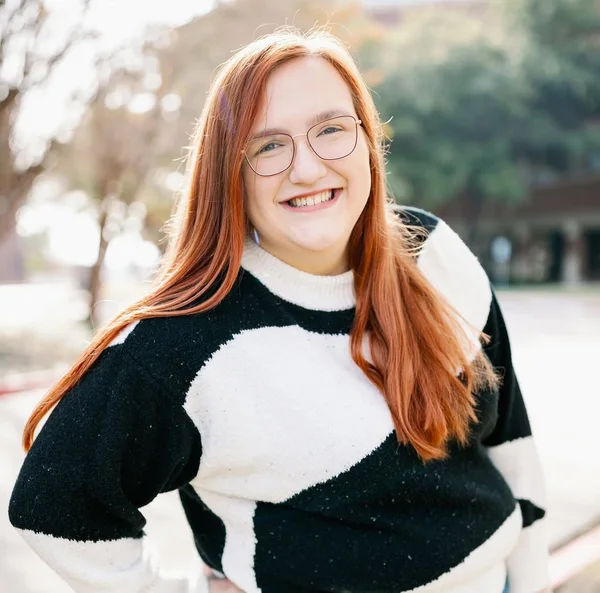
Katryna Elyse Petty, LPC-A
Licensed Professional Counselor Associate
License No.: 101068
Katryna Elyse Petty is a Licensed Professional Counselor Associate (LPC-A) in Texas, USA (License No. 101068) with an active license valid through 2030, practicing under board-approved LPC supervision. She provides evidence-based therapy for anxiety, stress, and relationship challenges, working with diverse clients to deliver structured and ethical mental health support aligned with U.S. clinical standards.
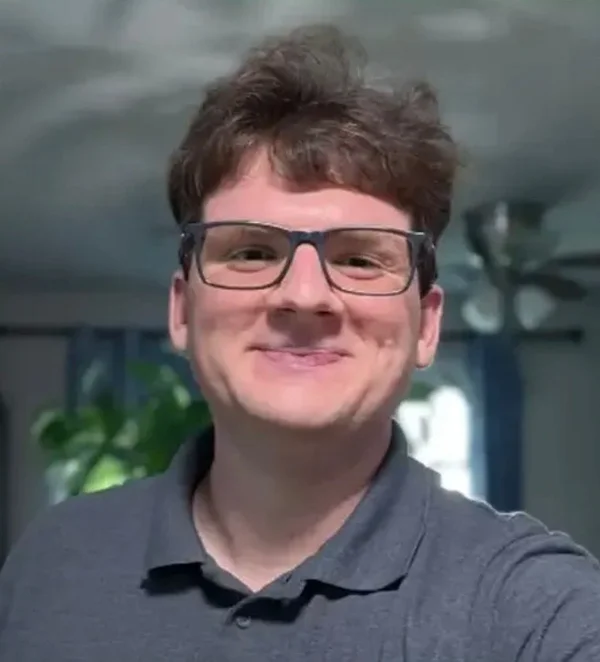
Zachary Michael Sheeley, ALC
Associate Licensed Counselor
License No.: ALC05892
Zachary Michael Sheeley is an Associate Licensed Counselor in Alabama, USA (License No. ALC05892), licensed by the state board and practicing under the approved clinical supervision of John Thorington, LPC-S. With an active license valid through 2027, he provides evidence-based therapy for anxiety, stress, and personal challenges, delivering ethical and structured mental health support aligned with U.S. professional standards.
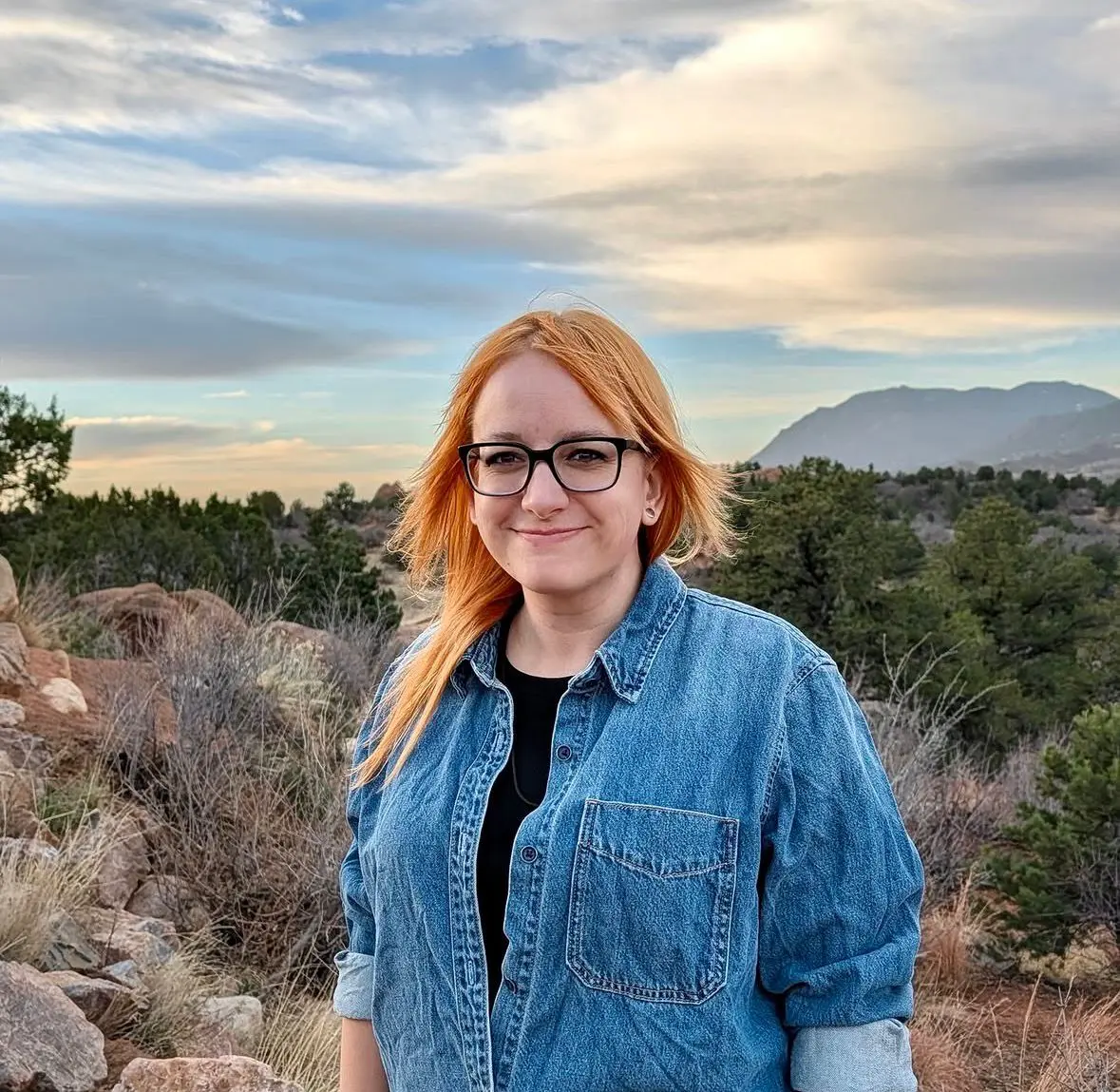
Robyn Stail, LPCC
Licensed Professional Counselor Candidate
License No.: LPCC.0024031
Robyn Stail is a Licensed Professional Counselor Candidate in Colorado, USA (License No. LPCC.0024031), credentialed by the Colorado Department of Regulatory Agencies – State Board of Licensed Professional Counselor Examiners. With an active license valid through 2027, she provides compassionate and evidence-based mental health support for anxiety, emotional stress, relationship challenges, and personal growth, while practicing under professional regulatory standards aligned with U.S. counseling ethics and care guidelines.
Ready to talk to a real therapist?
Get Matched →Find Your Right Fit
Every path is valid. Choose what helps you today.
Professional Memberships and Additional Training
Some Ventoutt coaches may have completed international psychology-related courses, certifications, workshops, or continuing education programs. Some may also be members of, or associated with, relevant professional psychology communities.
These qualifications and memberships should be displayed only on the individual coach's profile when they have been verified. Membership of a professional organization does not necessarily mean that the organization has endorsed the coach or Ventoutt.
What Ventoutt Users Say About Their Coaches
My ex relationship affected me more than I realised. I became anxious, insecure, and constantly questioned my self-worth, it was very tiring and I was not able to stop myself from calling my ex, but then my coach helped me understand why I felt this way, how the relationship impacted me, and how to slowly set emotional boundaries. Over time, I stopped blaming myself and started feeling confident again, it took some time but it was worth it.

Evelyn, USA
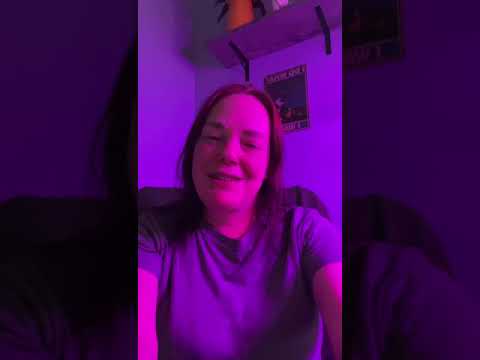
Rachel, USA
Duration: 2:15
I felt completely stuck in my career and overwhelmed by my own expectations and constant self-doubt. I knew something needed to change, but I didn't know where to start, so I started looking for some affordable solutions, which is when I came across ventoutt. It helped me organize my thoughts, gain clarity, and turn my goals into practical steps. I feel more focused and confident about the direction I'm moving in.

Sofia, USA
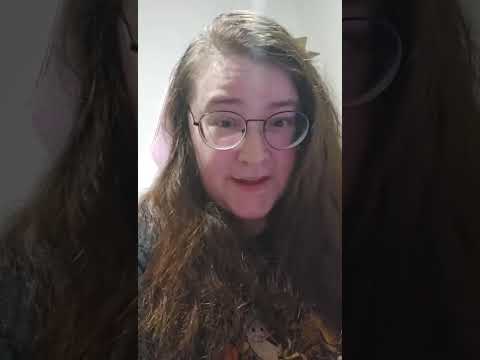
Eva, France
Duration: 2:45
To be real, I almost tried it randomly after seeing someone mention Ventoutt on Reddit, so I was like, let's give it a try since I was going through an overwhelming phase, its not like everything is sorted now me and my coach, we both are figuring it out and I can see some good changes in myself, maybe because she created a safe, supportive space where I could talk openly and make sense of my emotions. I don't know what else to say.

Aaliyah, USA
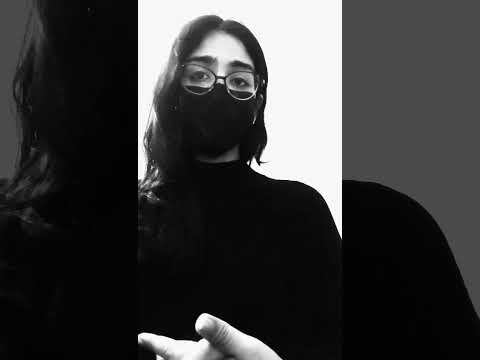
Adreana, Europe
Duration: 0:58
How It Works
Head over to our website
Feeling overwhelmed, curious, or unsure where to start? Begin by visiting ventoutt.com and let us meet you where you are.
Compare options to find what fits
Not sure what kind of support you need? Use our comparison table to see the difference between venting, coaching, and therapy - including pricing and what to expect.
Review your options
Take a moment to see what venting, mental health guidance (coaching), or therapy looks like - along with pricing and what to expect.
Go to your dedicated service page
Once something feels right, you'll be guided to the service page with all the details and a direct app download link.
Download the app and get started
Sign up or log in, and begin your journey - whether that's venting, building clarity and skills, or starting therapy. No pressure. Just support.
Making mental health a priority together with our partners.





Related Blogs






Frequently Asked Questions About Ventoutt Coaches
Who are Ventoutt coaches?
Ventoutt coaches are screened top MA- or PhD-qualified psychology professionals from India with at least three years of relevant experience. Many Ventoutt coaches are trained in structured approaches such as CBT-informed coaching, NLP, Solution-Focused Coaching, Motivational Interviewing, and mindfulness-based practices. Many also have experience supporting young adults in the USA, while some have completed international psychology-related courses or are associated with professional psychology communities, including the American Psychological Association’s Society for the Psychology of Women, Division 35.
Are Ventoutt coaches psychologists?
Ventoutt coaches hold relevant advanced qualifications in psychology but they are not psychologists.
Are Ventoutt coaches licensed therapists in the United States?
Not necessarily. Holding an MA or PhD in psychology does not automatically make someone a licensed therapist in the United States. Ventoutt coaches provide mental wellness coaching for everyday issues. Licensed therapy is a separate service provided by appropriately licensed professionals.
Where are Ventoutt coaches based?
Ventoutt mental wellness coaches are primarily based in India and provide remote support to young adults in the United States.
How much experience do Ventoutt coaches have?
Coaches at Ventoutt have at least three years of relevant experience in psychology, counseling-related work, mental wellness support, coaching, research, education, or another closely related field accepted through Ventoutt’s screening process.
How does Ventoutt select its coaches?
Ventoutt evaluates coaches based on psychology qualifications, relevant experience, English communication, listening ability, emotional maturity, professional boundaries, structured-support skills, and suitability for working with young adults.
What can a Ventoutt coach help me with?
Ventoutt coaches may support everyday concerns such as breakups, relationship challenges, low confidence, overthinking, loneliness, emotional patterns, career stress, family pressure, communication, procrastination, habits, decision-making, life transitions, and more.
Can Ventoutt coaches diagnose anxiety or depression?
No. Ventoutt mental wellness coaches do not diagnose anxiety, depression, or other mental health conditions. Diagnosis and clinical treatment must be provided by an appropriately licensed mental health professional.
Can I choose my own coach?
Users may be matched based on their concerns, preferences, communication style, and coach availability. If they are not comfortable with the assigned coach, Ventoutt provides other options and allows them to choose a different coach.
Can I change my Ventoutt coach?
Yes. Users can request a coach change when the initial match does not feel suitable. Replacement matching depends on the user’s needs and professional availability.
Do Ventoutt coaches understand young adults in the USA?
Ventoutt screens coaches for English communication, cultural awareness, and their ability to understand the emotional, relationship, career, identity, and life-stage concerns commonly faced by young adults in the United States. Many coaches also have prior experience supporting USA-based users.
Do Ventoutt coaches provide therapy?
No. Ventoutt mental wellness coaching is for everyday issues. It does not include diagnosis, clinical treatment, medication, psychiatric care, or emergency intervention.
What happens if my coach believes I need therapy?
The coach may recommend that you seek support from an appropriately licensed therapist or healthcare professional. This recommendation is not a diagnosis. It means that the concern may fall outside the scope of coaching.
Is communication with a Ventoutt coach available 24/7?
Monthly plans allow users to send messages to their coach at any time. This does not guarantee immediate, live, or emergency responses.
Does Ventoutt guarantee that coaching will work?
No. Coaching outcomes vary depending on the user’s needs, participation, professional fit, duration of support, and other individual factors. Ventoutt does not guarantee a specific emotional, personal, or clinical outcome.
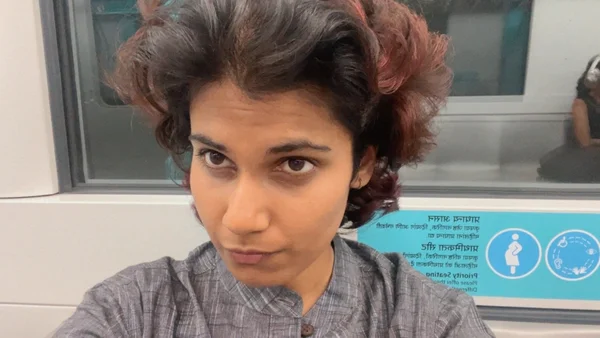
Reviewed for accuracy of coaching scope, qualifications, and role boundaries.
Reviewer: Sakshi Thakar
Role: Mental wellness coach at Ventoutt
Qualification: M.Sc. Clinical Psychology, India
Experience: Experienced with USA young adult clients
Reviewed on: August 1, 2026
Last updated: August 1, 2026