

Relationship coach or couples therapist? How to choose, and when neither is the right call
A relationship coach fits when the problem is an everyday one and the part you want to change is your own. A couples therapist fits when both of you want to sit down and work on it together. If you're afraid of your partner, a specialist service comes first; for clinical care, ask a licensed professional which care fits.
Key takeaways
- If you're afraid of your partner, or they hurt, track or control you, skip this choice for now: specialist support comes first, as the safety section sets out, and a licensed therapist for you alone can still help with your own mental health.
- On Ventoutt, a relationship coach works with one person on the part of an everyday problem that is theirs to change; a couples therapist is a licensed professional who works with both of you.
- Of the routes on this page, Ventoutt's own are one-to-one coaching and venting; for sessions together the answer is somewhere else, and the page says so.
Written bySakshi Thakar, M.Sc. Clinical Psychology · Relationship coach at Ventoutt·Reviewed byAditi Bajpai, M.A. Clinical Psychology·Published Oct 13, 2026 · Updated Oct 14, 2026·Editorial policy
First: are you safe with your partner?
If you're afraid of your partner, or they hurt you, keep track of you, cut you off from friends and family or control your money, the choice on this page can wait. Counseling together isn't the place to start. The National Domestic Violence Hotline's position: “We at The Hotline do not encourage anyone in an abusive relationship to seek counseling with their partner.” Read how to tell a relationship problem from controlling behavior first.
Source: National Domestic Violence Hotline, “Should I Go To Couples Therapy With My Abusive Partner?”, thehotline.org — read October 2, 2026.
Are you in crisis right now?
If you're in danger, or thinking about hurting yourself, use the options below now.
If you need help now
If you are in the US and having thoughts of suicide or self-harm, or need crisis support, call or text 988 or use 988 online chat. For an immediate life-threatening emergency, call 911. Outside the US, contact your local emergency or crisis service. Coaching, venting and a therapy waitlist are not emergency services.
See suicide prevention helplines for your country
With safety settled, two questions do the sorting, in this order:
Is it an everyday problem, or is there a clinical need? Everyday: a fight that keeps restarting, a doubt, drifting apart, a decision you keep circling. A clinical need: you're looking to be assessed, diagnosed or treated, or worry about the relationship is getting in the way of sleep, classes or work.
Is the work yours alone, or for the two of you together? Yours alone: what you say, do and decide. Together: both of you in the room, with a professional.
Everyday and yours alone points to a relationship coach. Together points to a couples therapist, also called a couples counselor or marriage counselor. A clinical need points to a licensed therapist for you. The table below adds the cases that don't fit these three.
If the relationship has ended, compare coaching, therapy and venting after a breakup for the support question you face now.





Which route fits what you're dealing with?
You're afraid of your partner, or they hurt you, keep track of you, cut you off from people or control your money.
Specialist abuse support first
Go to the safety section.
You're in crisis, or thinking about hurting yourself.
None of these
Use the crisis options now.
There's an everyday problem — a repeating argument, a doubt, a talk you keep postponing — and the part you'd like to change is your own.
A relationship coach, for you
The work is yours: what you say, do and decide. Your partner doesn't have to attend or agree. A therapist for you alone can help with this as well.
The two of you want to tackle it together, and you'd both show up.
A couples therapist
A licensed professional works with the two of you in the same room. Ventoutt doesn't offer this.
You'd like to go together, but your partner won't, or isn't ready.
A coach or a therapist, for you
You can start on your side without their yes. It won't change them; it can change what you do next.
It's bigger than the relationship: you're looking to be assessed or treated, or worry about the relationship is getting in the way of sleep, classes or work.
A licensed therapist, for you
Assessment, diagnosis and treatment are licensed care. A coach doesn't provide them.
What you need right now is a listener, not advice or a plan.
Venting, with a trained listener
Being heard is the whole point. No goals, no follow-up.
That is the coaching row: one-to-one mental wellness coaching for everyday relationship issues.


How can one problem point four different ways?
Take a made-up situation. The fight you keep having is about how many evenings one of you spends at the gym.
A made-up example, to show how the two questions work. It isn't a client, and it isn't a result.

They differ in who attends, who provides the help and what it is for. Two more options belong in the same picture: a therapist for you alone, and venting. If you're afraid of your partner, or they hurt, track or control you, the safety section comes before this choice. A therapist for you alone stays open to you; counseling together with that partner isn't where to start.
| Relationship coach | Couples therapist | Individual therapist | Venting | |
|---|---|---|---|---|
| Best for | The part of an everyday relationship problem that is yours to change | Working on the relationship together | A relationship problem you're working on alone, or your own mental health — with someone licensed to assess and treat | Being heard in the moment |
| Who attends | You. Some coaches elsewhere see couples; Ventoutt's don't | You and your partner | You | You |
| Who provides it | A coach — not a licensed therapist. See why a psychology degree doesn't make someone a licensed therapist | A licensed therapist: for example a licensed marriage and family therapist, professional counselor or clinical social worker | A licensed therapist | A trained listener |
| What it doesn't do | Diagnose or treat, or decide for you whether to stay | Go ahead when only one of you is willing | Work with the two of you as a couple | Set goals or follow up |
| Insurance | Not billed to insurance on Ventoutt | Ask your plan and the therapist | Ask your plan and the therapist | Not billed to insurance on Ventoutt |
| On Ventoutt | Yes, one-to-one | No. Sessions are one-to-one: one person per session. | See the licensed therapist block | Yes: anonymous venting |
If medication is part of the question, that takes a prescriber: ask whether the clinician you see can prescribe, or can refer you to someone who does.
For coaching, venting and therapy in general, not only for relationships, compare all three. Using two of them at once is its own question: can mental wellness coaching and therapy be used together.
Is a relationship coach qualified?
Every Ventoutt coach holds a master's degree or higher in psychology and has at least three years' experience. In the US, coaching isn't licensed, and the entry-level ICF credential doesn't require a degree.
Sources: International Coaching Federation credential requirements, read September 29, 2026; ProPublica with The Salt Lake Tribune, June 17, 2024.
A degree isn't a license, and none of Ventoutt's coaches is a US-licensed therapist. Meet the MA/PhD psychology professionals who coach here, and read what qualifications a mental wellness coach should have before choosing any coach.
Not sure you need a coach or a therapist at all? Relationship help: who to talk to compares every option, from a friend to specialist support.






When is each one the wrong first step?
A relationship coach
The need is clinical — to be assessed, diagnosed or treated — or the two of you want sessions together.
A licensed therapist for the clinical need; a couples therapist for sessions together.
A couples therapist
Only one of you is willing to go, or what you want to change is your own: what you say and what you decide.
A coach or a therapist, for you alone.
Coaching, venting or counseling together
You're afraid of your partner, or they hurt, track or control you — or you're in crisis.
Specialist abuse support in the safety section; individual licensed care can also support your mental health. If you are in crisis, use the crisis options.
What if your partner won't go to couples therapy?
If you're afraid of how they'd react to being asked, start with the safety section. Otherwise, the question is what you can do without them. A session for two isn't possible with one of you missing; individual work is: your words, your requests, your decisions. That can be coaching, covered in relationship coaching without your partner, or a therapist for you alone. If there's a clinical need, it is the therapist.

Coaching does not diagnose or treat. If you need clinical care, we will help you find it.
The block below shows the licensed therapists Ventoutt works with, and where they can see you.
Licensed counselors we work with
If a coach believes licensed clinical care may be more appropriate, they may recommend the user to a licensed therapist. Ventoutt does not take a commission on independently provided therapy.
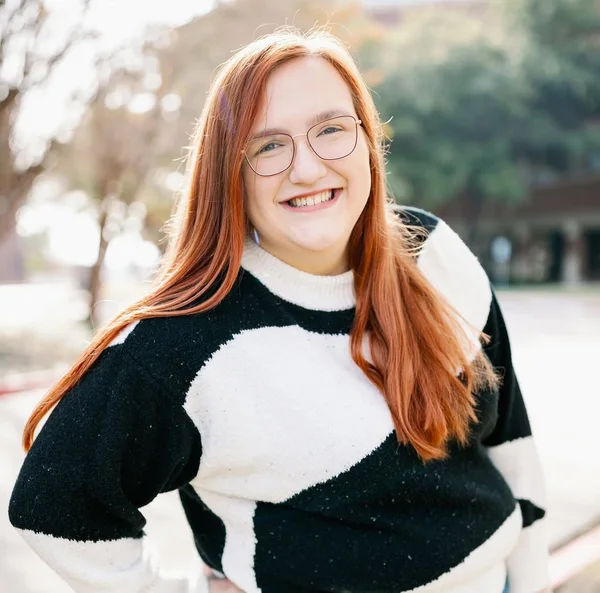
Katryna Elyse Petty, LPC-A
Licensed Professional Counselor Associate
License No.: 101068
Katryna Elyse Petty is a Licensed Professional Counselor Associate (LPC-A) in Texas, USA (License No. 101068) with an active license valid through 2030, practicing under board-approved LPC supervision. She provides evidence-based therapy for anxiety, stress, and relationship challenges, working with diverse clients to deliver structured and ethical mental health support aligned with U.S. clinical standards.

Zachary Michael Sheeley, ALC
Associate Licensed Counselor
License No.: ALC05892
Zachary Michael Sheeley is an Associate Licensed Counselor in Alabama, USA (License No. ALC05892), licensed by the state board and practicing under the approved clinical supervision of John Thorington, LPC-S. With an active license valid through 2027, he provides evidence-based therapy for anxiety, stress, and personal challenges, delivering ethical and structured mental health support aligned with U.S. professional standards.
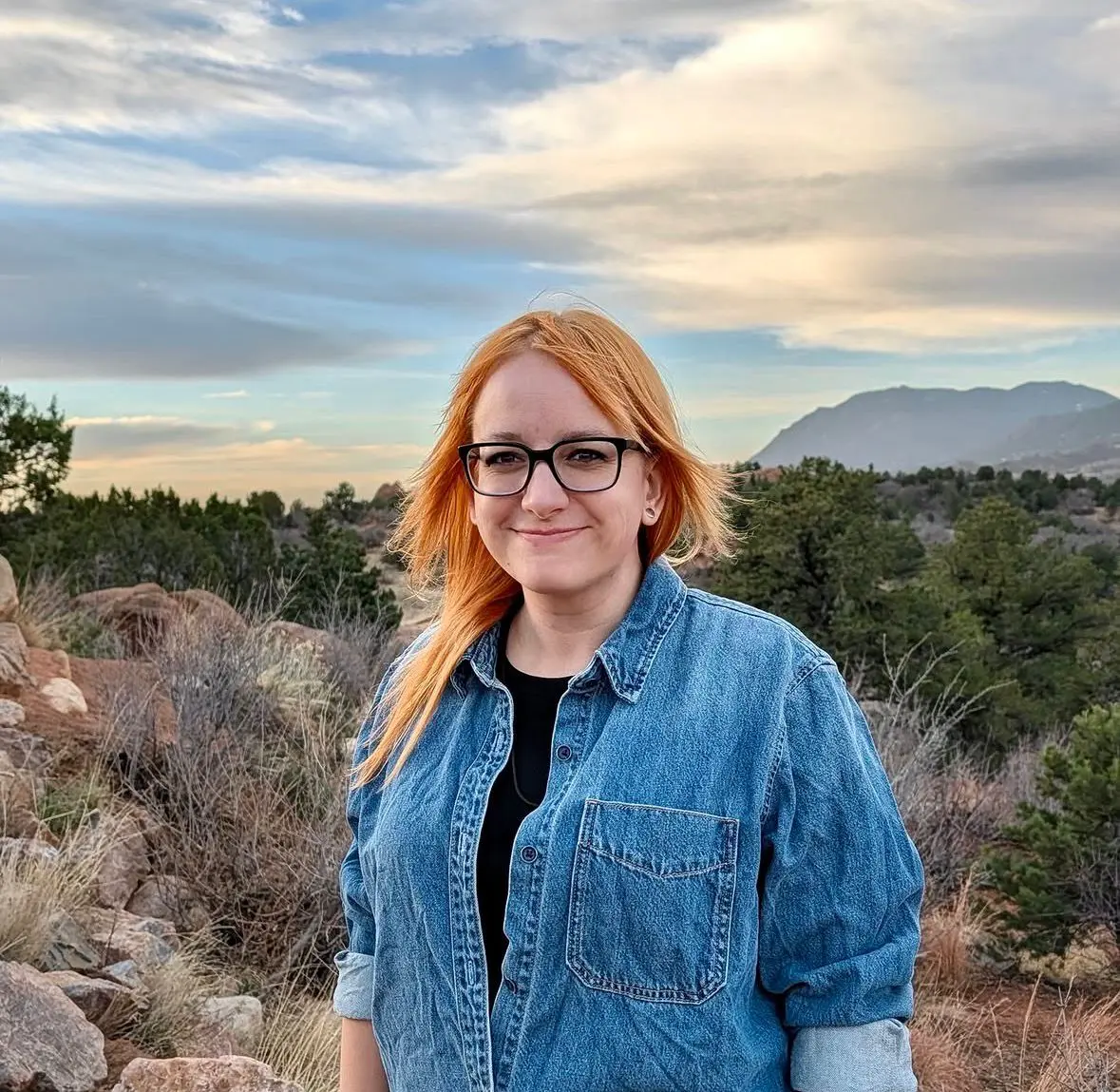
Robyn Stail, LPCC
Licensed Professional Counselor Candidate
License No.: LPCC.0024031
Robyn Stail is a Licensed Professional Counselor Candidate in Colorado, USA (License No. LPCC.0024031), credentialed by the Colorado Department of Regulatory Agencies – State Board of Licensed Professional Counselor Examiners. With an active license valid through 2027, she provides compassionate and evidence-based mental health support for anxiety, emotional stress, relationship challenges, and personal growth, while practicing under professional regulatory standards aligned with U.S. counseling ethics and care guidelines.
What people say about Ventoutt
These are individual experiences, not a promise of a particular result.
“I wasn't even sure what kind of support I was looking for. I didn't want someone making a stay-or-leave decision for me. I just wanted space to talk it through and figure out what was mine to work on.”
Video experiences — general Ventoutt experiences
Emma, USA
Duration: 2:20

Adreana, Europe
Duration: 0:58
To protect user privacy, some testimonial images are illustrative and some names have been changed.
Which other questions come up about coaches and couples therapists?
Is a marriage counselor different from a couples therapist?
The three names — “couples therapist,” “couples counselor” and “marriage counselor” — are used loosely, and a name by itself doesn't prove a license. Ask which license the person holds and which state issued it.
What if one of you wants coaching and the other wants couples therapy?
If you're both willing, and neither of you is afraid of the other, those aren't competing choices: one of you can work with a coach on your own while the two of you see a couples therapist. What Ventoutt can't do is put both of you in one session.
Does starting alone rule out going together later?
No. Working on your side first doesn't close the door on couples therapy later. It is the part you can begin without anyone else's yes.