

Respecting yourself means treating your own needs, time and word as counting as much as anyone else's: not more, not less. In practice, that's keeping small promises to yourself, talking about yourself fairly, and saying what you think without apologizing for it. It isn't feeling better than others. Start by asking: would I accept this for a friend?
Key takeaways
- Self-respect is believing you have the same rights as anyone else, no more and no less. Researchers measure it separately from self-esteem, which is how positively you see yourself.
- In research, people with more self-respect were more likely to respond assertively, and self-respect wasn't linked to aggressive responses. Feeling entitled was.
- It shows in ordinary choices: how you talk about yourself, whether your plans and needs count, and whether you say what you think.
Written bySakshi Thakar, M.Sc. Clinical Psychology · Coach at Ventoutt·Published Nov 22, 2026 · Updated Nov 22, 2026·Editorial policy
What does respecting yourself actually mean?
It means treating yourself as an equal: someone whose time, needs, opinions and word count as much as anyone else's. Not more, which tips into entitlement. Not less, which is how you end up apologizing for taking up space.
| Self-respect looks like | It isn't |
|---|---|
| Saying what you think, then listening to the reply | Needing to win every disagreement |
| Keeping a promise to yourself when no one would know | Never letting yourself off the hook for anything |
| Describing your mistakes plainly | Calling yourself names, or pretending nothing happened |
| Treating your plans as real plans | Refusing to change plans for anyone, ever |
| Expecting to be treated fairly | Expecting special treatment |
Worried that taking yourself seriously will make you seem full of yourself? There's a guide on how to hold your ground without talking over people. And if you're unsure where self-respect ends and self-esteem begins, see how self-esteem, self-worth and self-respect differ.
What does research say about self-respect?
Social psychologist Daniela Renger defines self-respect as seeing yourself as someone with the same basic rights and dignity as others.
It's different from self-esteem, and from entitlement. A 2018 paper reported three studies: two surveys and one experiment. In them, self-respect measured as something separate from self-esteem, self-confidence, self-acceptance and psychological entitlement (the sense that you deserve more than others). People higher in self-respect were more likely to respond assertively, even once those other measures were taken into account. Self-respect wasn't linked to aggressive responses, but entitlement was.
It goes with fewer symptoms of depression. A 2023 study of 2,408 adults in seven countries found that people with more self-respect also reported fewer symptoms of depression.
The limits: the 2023 study compared people at one point in time. So it shows that self-respect and lower depression scores go together, not that one causes the other. None of these studies tested the ideas on this page, and none measures coaching. Self-respect isn't a treatment for low mood; if that's what's going on, the care section below is the place to start.
What are the signs your self-respect has slipped?
Low self-respect isn't a diagnosis, and anyone can go through a stretch of it. Some signs to look for:
- You apologize for things that aren't wrong: asking a question, needing a minute, having an opinion.
- Your plans are the first to go when anyone else's come up.
- You talk about yourself in a way you'd never let a friend talk about themselves.
- You've stopped keeping promises to yourself because nobody else would notice.
- You agree out loud, disagree in your head, and replay it later.
- You put up with treatment you'd tell a friend not to accept.
One or two of these in a bad week is ordinary. If the last one describes your situation, the problem may be how someone treats you, not your self-respect: skip to what to do when it's about how someone treats you.
How do you respect yourself in everyday choices?
Ten ways, each small enough to try this week. Pick one to start.
- Talk about yourself as you'd talk about a friend. Swap "I'm such an idiot" for what happened: "I missed the bus." There's more on answering your inner critic.
- Keep one small promise to yourself each day. Pick something you'd do even if no one checked. The kept-promise record gives you a week to track it.
- Treat your plans as real plans. A run, a class or an evening to yourself is a plan, not an empty slot waiting for someone else's.
- Save apologies for real mistakes. When there's nothing to be sorry for, swap "sorry to bother you" for "thanks for your time."
- Say what you think, once, plainly. In class, at work or at the dinner table, give your view in one sentence and then listen. You don't have to win; you do get to be part of the conversation.
- Take your basic needs seriously. Sleep, meals, a break when you're spent, the checkup you keep putting off. Treating them as optional is treating yourself as optional.
- Act on what you value. Write down two things that matter to you, such as honesty or learning a craft, and do one small thing for each this week. What matters to you counts for more than what looks normal online.
- Own mistakes without putting yourself on trial. Say what happened, fix what you can and move on. How to forgive yourself for past mistakes walks through it.
- Accept a compliment. Say "thank you" and stop there, without explaining why it doesn't count.
- Expect to be treated fairly. Ask for the refund, the credit or the turn you were promised, once and calmly. Expecting fairness isn't asking for special treatment.
If one of these feels impossible right now, skip it and choose an easier one. Self-respect builds from what you actually do, not from how many ways you've read about.
How can you tell if you're respecting yourself in a situation?
Put a friend in your place. If you'd want more for them than you're allowing yourself, that's the gap. Fill in one row for a moment from this week; there's no score and nothing is saved.
| The moment | What I did | What I'd tell a friend who did the same | Next time |
|---|---|---|---|
| Example (made up): I locked myself out and called myself useless, out loud | Laughed it off, then repeated it in my head all afternoon | "You locked yourself out. That's all it was." | Say what happened, not what it makes me |
| Example (made up): I canceled the checkup I'd booked, for the third time | Told myself it didn't matter | "Your health counts. Rebook it while you're on the phone." | Rebook it today, for a time I'll keep |
| Example (made up): Friends teased me about the pottery class I'd signed up for | Said I'd probably quit anyway | "If you want to do it, do it. They don't need to get it." | Keep going, and mention it without apologizing |
| Your row |
What if it's about how other people treat you?
Self-respect is about how you treat yourself. It doesn't make you responsible for how anyone else behaves. Say you tell a friend you can't lend money again this month (a made-up example). Respecting yourself means saying it plainly and keeping to it. Whether they're annoyed is up to them; you can be kind about it without changing your answer.
If someone belittles you, decides things for you or scares you, the fix isn't respecting yourself harder, and it isn't your fault. Is it your self-worth, or how someone treats you? is written for that, and it starts with safety.
If what you want is help with limits in a relationship, these examples of relationship boundaries are a place to start. If it's a friend or roommate who keeps crossing the line, how to set boundaries covers what to do. For the other places self-worth takes hits, from comparison to fear of a no, see the guide to confidence and self-worth.
When does low self-respect need more than a list?
If you've stopped feeling you deserve anything at all, or low mood is there most days, that's worth a professional's help, not a list of ways.
If it has gone further, into hating yourself, there's a page on when you hate yourself.
If low self-worth comes with low mood most days, or it's getting in the way of sleep, eating, classes or work, read when low self-esteem needs a therapist. If someone in your life keeps putting you down, controlling you or making you afraid, read is it your self-worth, or how someone treats you?. If you're thinking about ending your life, or you're in danger now, use the crisis options below.
If you need help now
If you are in the US and having thoughts of suicide or self-harm, or need crisis support, call or text 988 or use 988 online chat. For an immediate life-threatening emergency, call 911. Outside the US, contact your local emergency or crisis service. Coaching, venting and a therapy waitlist are not emergency services.
See suicide prevention helplines for your countryWhat could you work on with a coach?
The everyday side of self-respect, such as:
- How you talk about yourself when something goes wrong
- Small promises to yourself, and keeping them
- Saying what you think once, without a string of apologies
- Working out what you value, and acting on it
- The situations where you shrink, and what's going on in them
...and plenty that does not fit a category. If it is taking up your week, it is worth a conversation.
Coaching does not diagnose or treat. If you need clinical care, we will help you find it.
See what confidence and self-worth coaching covers
“I've known my coach for just a few weeks but she has already helped me out with a few things i was struggling with for months. She is smart and picks up on things quickly. I still have a lot to unpack and plan, but it's been good so far. Highly recommend if you're in need of guidance.”
Amanda
USA
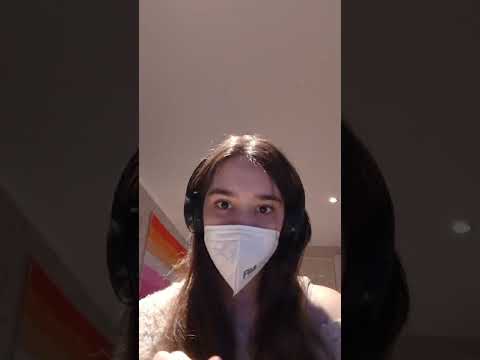
Emma, USA
Duration: 2:20
“I felt completely stuck in my career and overwhelmed by my own expectations and constant self-doubt. I knew something needed to change, but I didn't know where to start, so I started looking for some affordable solutions, which is when I came across ventoutt. It helped me organize my thoughts, gain clarity, and turn my goals into practical steps. I feel more focused and confident about the direction I'm moving in.”
Sofia
USA

Zion, USA
Duration: 2:15
To protect user privacy, some testimonial images are illustrative and some names have been changed.
Which coaches could you practice this with?
Ventoutt assigns your first coach; if the fit isn't right, you can change coach from the available options. Before you trust someone with how you see yourself, it's fair to check what training a coach should have.

Sakshi Thakar
Mental Wellness Coach
Identity-Affirming Support
Qualifications: B.A. in Psychology; M.Sc. in Clinical Psychology
Specializes in: stress, burnout, identity, queer-affirmative coaching
Best for: Individuals exploring identity, queer concerns, and healing from emotional or relational challenges
Global Exposure: Professional experience working with a USA-based corporate environment

Sparshika Khobragade
Mental Wellness Coach
USA Stress Support Experience
Qualifications: M.Sc. in Clinical Psychology
Specializes in: CBT, mindfulness-based coaching, body image concerns, relationship issues, career transitions, stress management, and personal growth
Best for: stress, a first job, a move or graduation, and people who want a structured, warm approach
Global Exposure: Experience working with clients from the USA

Anshika Jain
Mental Wellness Coach
USA Workplace Client Experience
Qualifications: PHD scholar, M.A. in Clinical Psychology; PG Diploma in Counselling & Family Therapy; Certification in Counselling and Psychotherapy; International Member, American Psychological Association (APA), Member No. C2404977850
Specializes in: Relationship, workplace stress, anxiety, self-improvement, career guidance
Best for: Young adults dealing with career confusion, stress, and relationship challenges
Global Exposure: Experience working with USA-based corporate clients
Want someone to notice the small choices with you?
Self-respect is built in small choices, and they're easier to keep making when someone else is paying attention. A coach can help you pick one choice a week, spot where you shrink and look back at what happened. It's mental wellness coaching for everyday confidence and self-worth; you won't be given a diagnosis.
Ventoutt's coaches are MA/PhD psychology professionals, minimum three years' experience, based in India. Wondering whether a coach on India time can work around your evenings? Read what the India–US time difference means for sessions.
$35 single session with no subscription. First 50 coaching texts free for eligible new users. Changing coach is free.


Still wondering about self-respect?
What are 10 ways to improve self-respect?
Talk about yourself fairly, keep small promises to yourself, treat your plans as real, save apologies for real mistakes, say what you think, take your needs seriously, act on your values, own mistakes without punishing yourself, accept compliments, and expect fair treatment. The ten ways explain each one.
What is the highest form of self-respect?
There's no agreed ranking. If one thing sits underneath the rest, it's treating yourself as an equal, so that your needs, word and time count as much as anyone's.
Is self-respect the same as self-esteem?
No. Self-esteem is how positively you see yourself; self-respect is believing you have the same rights as anyone else, and treating yourself that way. You can feel low about yourself and still act with self-respect. How self-esteem, self-worth and self-respect differ compares them.
How do you regain self-respect after losing it?
Start with one small thing you can check: a promise you keep tomorrow, or one plain sentence about a mistake instead of an insult. If something you did cost you your self-respect, how to forgive yourself for past mistakes helps you own it and repair it.
Can you have too much self-respect?
Not as the word is used here. Believing you deserve more than others is entitlement, which is a different thing. In the 2018 studies, it was entitlement, not self-respect, that went with aggressive responses.
Where does the self-respect research come from?
- Renger, D. (2018). Believing in one's equal rights: Self-respect as a predictor of assertiveness. Self and Identity, 17(1), 1–21. doi:10.1080/15298868.2017.1313307.
- Renger, D., Reinken, A., Krys, S., Gardani, M., & Martiny, S. E. (2023). Why the belief in one's equal rights matters: Self-respect, depressive symptoms, and suicidal ideation in Western and non-Western countries. Health Psychology Open, 10(2).
Sakshi Thakar
Mental wellness coach at Ventoutt
Qualification: M.Sc. Clinical Psychology, India
Dedicated to bringing you authentic and helpful mental health content.
View Profile