

If you have no friends right now, start smaller than “make friends.” Pick one thing that happens every week and expects newcomers, and go three times. Count a learned name, a nod of recognition or a second conversation as progress. Meanwhile, have someone to talk to, so the whole weight doesn’t sit on the first person you meet.
Key takeaways
- Having no friends right now describes a stretch of your life, not who you are. It can follow a move, a hard few years or friendships that faded one by one.
- Progress at zero looks small: the same faces twice, a name, a short chat that picks up where the last one left off.
- If you meet someone online first, meet them the first time somewhere public, and tell someone where you’ll be.
Written bySakshi Thakar, M.Sc. Clinical Psychology · Coach at Ventoutt·Reviewed byAnshika Jain, PhD scholar, M.A. Clinical Psychology·Published Oct 25, 2026 · Updated Oct 25, 2026·Editorial policy
In this article: Is it normal? · The first step · What progress looks like · Starting online · Meeting someone from online · Questions
Is it normal to have no friends in your 20s?
It happens, and it isn’t a verdict on you. People end up at zero after moving for a job or for college, after college scatters everyone, after a breakup takes the shared friends, after a hard stretch of depression or illness, or simply because friendships faded one at a time and nothing replaced them. Most of those are about circumstances. None of them means you can’t build again. This page covers the first steps; for a broader plan for building connection, see the main guide.
Where do you start when you have no friends?
With one place, not a plan for your whole social life. Look for three things:
- It happens every week, at the same time, so the same people come back.
- It says it’s open to new people: “all levels,” “drop-ins welcome,” “first class free.”
- There’s something to do together, so you don’t have to start conversations from nothing.
If you can, go a few times before you decide anything about it. For kinds of places that fit, read the guide to places that suit this; for the whole route, from the first hello to a second plan, read the full making-friends guide.
What counts as progress when you’re starting from zero?
Much smaller things than “a new friend.” Count these:
- The same person is there two weeks running, and you both notice.
- You learn a name, and use it next time.
- A conversation picks up where the last one stopped.
- Someone saves you a seat, or waves you over.
- You suggest something small outside the place, and they say yes, or “not this week.”
Write them down if it helps. On the weeks when nothing seems to be happening, the list shows you that it is.
Can you start online if going out feels like too much?
Yes. Online can be a real first step: a moderated community around something you care about, a friend-finding app, a group chat for a class you take. The aim is the same as offline: the same people, again and again, and eventually a move somewhere you can meet. For the kinds of apps and what each is for, read the guide to apps for making friends; for moderated communities and listeners, see support for loneliness.
Friendships that stay online count too. If you talk with the same people every week and they know you, that’s real connection, whether or not you ever meet.
How do you meet a friend from online safely?
- Video first, if you can. A short call tells you a lot.
- Somewhere public and busy for the first meeting: a café, a park on a weekend, a museum.
- Tell someone where you’re going and who you’re meeting, and when you expect to be back.
- Get there and back on your own, so you can leave whenever you want.
- Keep your address and workplace to yourself until you know them.
If there’s no one to tell yet, keep the first meeting short, in daylight, and somewhere busy with staff around.
If anything about it feels off before or during, you can leave. A friend worth having won’t mind a cautious first meeting.
What if being on your own has started to feel like too much?
If your mood is low most days and sleep, classes or work are slipping, start with when loneliness feels like more than loneliness. If a partner decides who you can see or talk to, read relationship problem or controlling behavior?. If you’re thinking about ending your life, or you’re in danger now, use the crisis options below.
If you need help now
If you are in the US and having thoughts of suicide or self-harm, or need crisis support, call or text 988 or use 988 online chat. For an immediate life-threatening emergency, call 911. Outside the US, contact your local emergency or crisis service. Coaching, venting and a therapy waitlist are not emergency services.
See suicide prevention helplines for your countryWhere can a coach help when you’re starting from zero?
- Choose the one place to try first, and what would make you go back.
- Practice the first two minutes of a conversation, so walking in feels less like a test.
- Keep track of the small progress, so a slow week doesn’t feel like failure.
…and plenty that does not fit a category. If it is taking up your week, it is worth a conversation.
Coaching is support for everyday challenges, not treatment; here’s the difference. Everything a friendship coach works on is listed on one page.
Who could you start this with?
Ventoutt assigns your first coach; if the fit isn’t right, you can change coach from the available options.

Aditi Bajpai
Mental Wellness Coach
Burnout Support for USA Clients
Qualifications: M.A. in Clinical Psychology
Specializes in: CBT, Mindfulness, ACT, SFBT, Psychodynamic; stress, burnout, overthinking, relationships, life transitions
Best for: Overthinkers, professionals facing burnout, and those seeking deeper self-understanding
Global Exposure: Experience working with clients from the USA
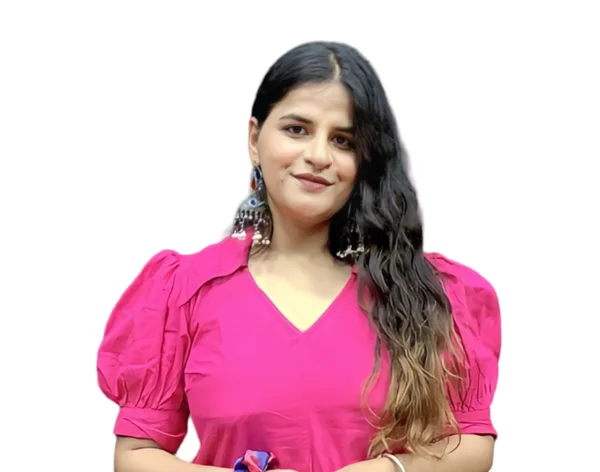
Pulkita Wadhwa
Mental Wellness Coach
USA Fellowship-Trained Support
Qualifications: Master’s in Psychology; Bachelor’s (Hons.) in Psychology; Psychoanalytic Fellowship – Washington-Baltimore, USA; Diplomas (NIMHANS & Child/Family Counselling)
Specializes in: Psychoanalytic, CBT, DBT; Stress, relationships, career, family dynamics
Best for: In-depth coaching, complex emotional patterns, and long-term personal transformation
Global Exposure: Advanced clinical training and academic exposure through her fellowship in the USA

Noreen Choudhri
Mental Wellness Coach
10+ Years Experience
Qualifications: M.Phil. in Clinical Psychology, Gold Medalist; M.Sc. in Psychology with specialization in Clinical Psychology
Specializes in: Stress management, Relationship concerns, Positive parenting, Women's well-being, Workplace stress, Self-improvement, Emotional clarity, Personal growth, Family concerns, Confidence building, Coping skills, Behavior modification, CBT-informed support, Supportive guidance, Child and adolescent concerns
Would it be easier with someone in your corner?
Starting from zero is easier with someone to check in with each week. Ventoutt’s coaches are MA/PhD psychology professionals, minimum three years’ experience, based in India; here’s how that works with US hours. Coaching can sit alongside therapy if you have it.
$35 single session with no subscription — 45–60 minutes, by chat or video. First 50 coaching texts free for eligible new users.


Questions from people starting with no friends?
How do you overcome loneliness without friends?
In two halves: something for now, and something for later. For now, a listener, a warmline or a call with family. For later, one weekly place that welcomes newcomers, visited three times.
Is it too late to make friends in your late 20s?
No. You can make close friends at any age. It takes more planning than it did at school, which is a different problem from being too late.
What if I don’t know how to talk to people anymore?
It comes back with practice, and short, low-stakes conversations are the practice: the barista, the person next to you at the class. For conversation in more depth, see the making-friends guide.
Sakshi Thakar
Mental wellness coach at Ventoutt
Qualification: M.Sc. Clinical Psychology, India
Dedicated to bringing you authentic and helpful mental health content.
View Profile